Laos

“The Land of a Million Elephants” & “The Battery of Southeast Asia”

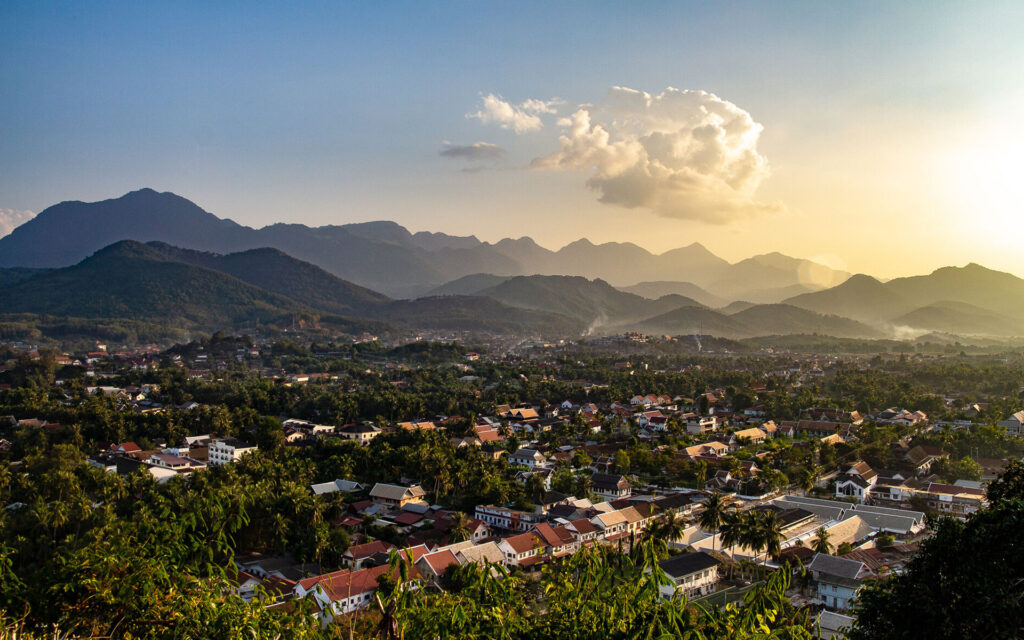
Laos, officially the Lao People’s Democratic Republic, is a landlocked country in the heart of Southeast Asia. It is bordered by China to the north, Vietnam to the east, Cambodia to the south, Thailand to the west, and Myanmar to the northwest. Covering an area of approximately 236,800 square kilometers, the country is largely mountainous and forested, with the Mekong River flowing along its western border and providing vital lowlands for agriculture.

The population is ethnically diverse, with the Lao-Lum (lowland Lao) making up the majority, alongside various highland and midland groups including Mon-Khmer, Hmong, and Tai communities. The official language is Lao, and the predominant religion is Theravada Buddhism, which is deeply woven into the country’s cultural and social fabric.


1. “The Land of a Million Elephants”

This is the country’s historic nickname, derived from its ancient name, Lan Xang (translated directly as “Million Elephants”). Founded in 1353 by King Fa Ngum, the Kingdom of Lan Xang was one of the largest kingdoms in Southeast Asia.

At the time, massive herds of wild elephants roamed the country’s vast forests and valleys. Elephants were revered as sacred animals, symbols of royal power, and crucial assets for both transport and military defense. While wild elephant populations have tragically dwindled to less than a thousand today, the name remains a proud symbol of Lao heritage.

2. “The Battery of Southeast Asia”

This is Laos’s modern, economic nickname. Because the country is highly mountainous and crisscrossed by the Mekong River and its tributaries, it possesses immense hydroelectric potential.

Over the last few decades, the Lao government has built dozens of massive dams with the explicit strategy of exporting electricity to its power-hungry, fast-developing neighbors—chiefly Thailand, Vietnam, and Cambodia.


🏔️ Geography and Landscape

Laos is defined by its rugged terrain. Roughly 70% of the country consists of mountains and thick plateaus, heavily isolating many rural communities.

World Bank

The defining geographic feature is the Mekong River, which flows down from China and forms most of Laos’s western border with Thailand. The Mekong is the lifeblood of the country—serving as a vital transport highway, a primary source of fish and irrigation, and the foundation for the nation’s massive hydroelectric ambitions.


📜 History at a Glance

The history of Laos is marked by powerful kingdoms, colonial rule, and conflict.

  • Lan Xang Kingdom: The first unified Lao state, the Lan Xang (“Million Elephants”) kingdom, was founded in 1353 by King Fa Ngum. It was a powerful entity for centuries before dividing into rival kingdoms of Luang Prabang, Vientiane, and Champasak in the 18th century.
  • Colonial Era: These kingdoms gradually fell under Siamese (Thai) dominance before being incorporated into French Indochina in 1893. Laos remained under French rule until the Japanese occupation during World War II.
  • Independence and Civil War: After the war, Laos sought full independence, which it gained in 1954 following the Geneva Conference. However, the country soon became embroiled in a civil war and heavily drawn into the Vietnam War. The U.S. conducted a massive, secret bombing campaign on Lao territory to disrupt the Ho Chi Minh Trail, making Laos the most bombed country per capita in history.
  • Modern Laos: In 1975, the communist Pathet Lao movement, backed by North Vietnam, took full control, abolishing the monarchy and establishing the Lao People’s Democratic Republic (Lao PDR) that exists today.


👑 Government & Politics Today

Laos is a communist state, where the Lao People’s Revolutionary Party (LPRP) is the sole political party. The head of state is the President (currently Thongloun Sisoulith), and the head of government is the Prime Minister (currently Sonexay Siphandone). The country’s National Assembly is the legislative branch. While the government has implemented economic reforms, the political system remains authoritarian, with restrictions on freedoms of expression and the press.


📈 Economy and the “Land-Linked” Strategy

Historically relying on subsistence agriculture, Laos has shifted its economic focus toward natural resource exports and infrastructure development.

  • The “Battery of Southeast Asia”:Laos has heavily invested in damming the Mekong and its tributaries to export electricity to fast-growing neighbors like Thailand and Vietnam.
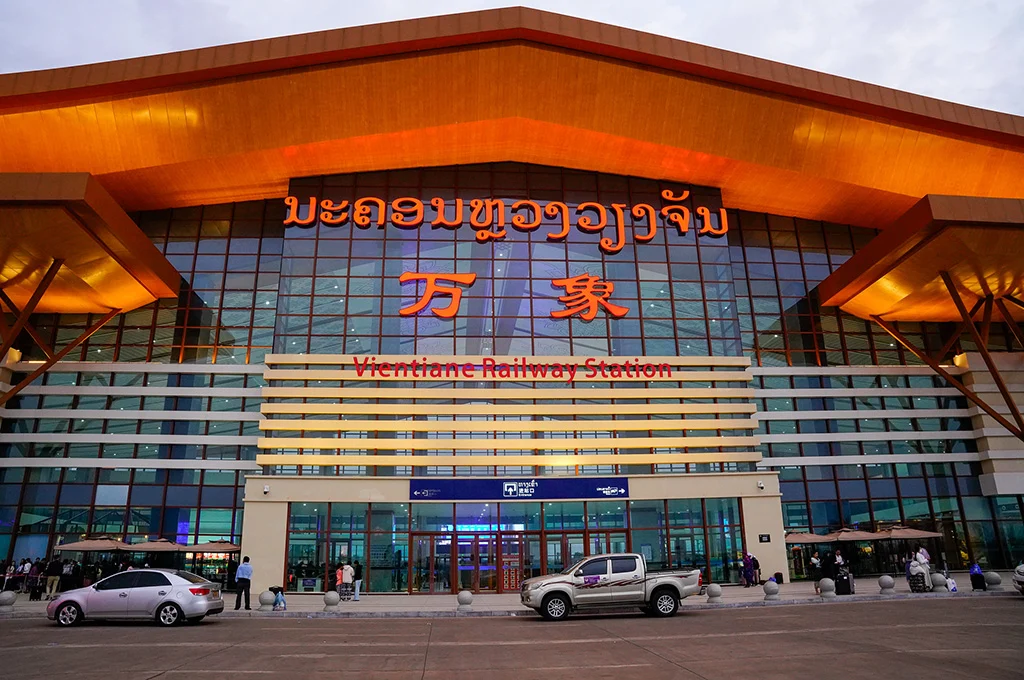
  • The China-Laos Railway:Opened recently, this high-speed rail line connects Vientiane directly to Kunming, China. It is part of a national strategy to pivot from a landlocked obstacle to a land-linked regional logistics hub.

World Bank

  • Current Economic Climate:While sectors like tourism and power generation drive moderate economic growth (projected around 4.0% for 2026), the country struggles with heavy external public debt, high inflation, and currency depreciation.


⛩️ Culture and Society

Laos is incredibly diverse, with the government officially recognizing 49 distinct ethnic groups. These are broadly categorized by the altitudes at which they historically lived: the Lao Loum (lowland dwellers, making up over 50% of the population), the Lao Theung (mid-slope dwellers, primarily Khmou), and the Lao Soung (highland dwellers, notably the Hmong).

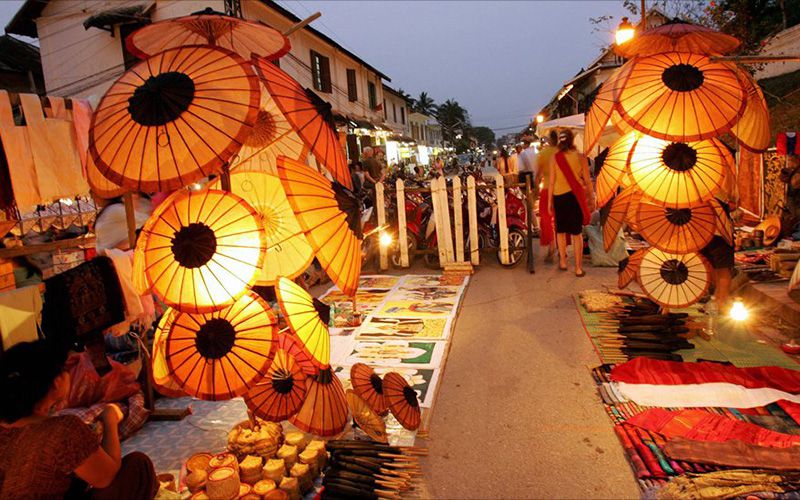
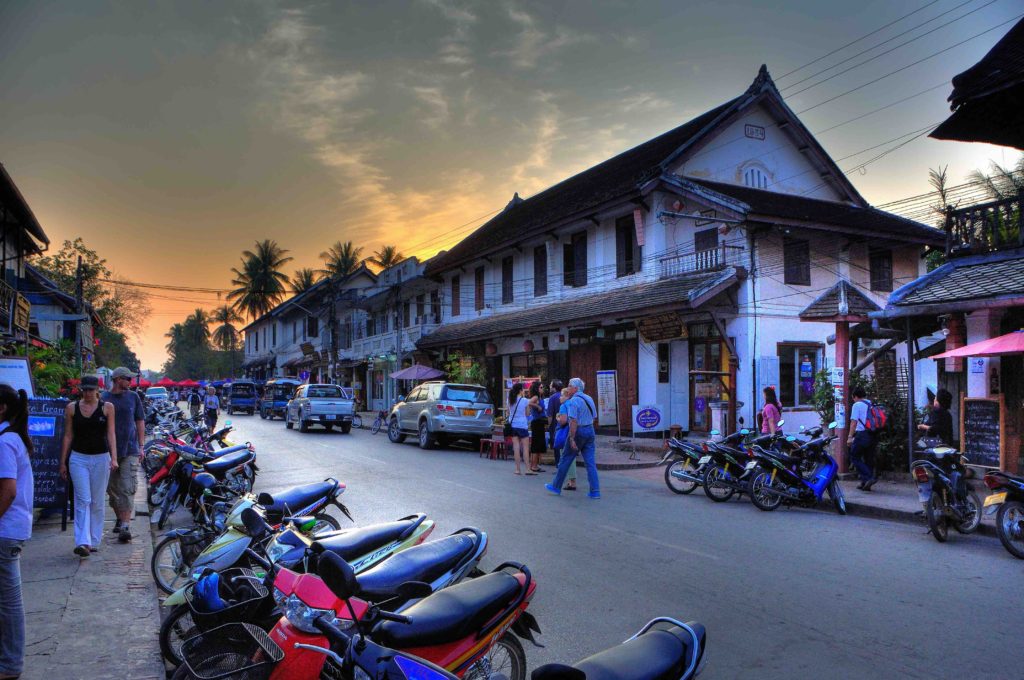
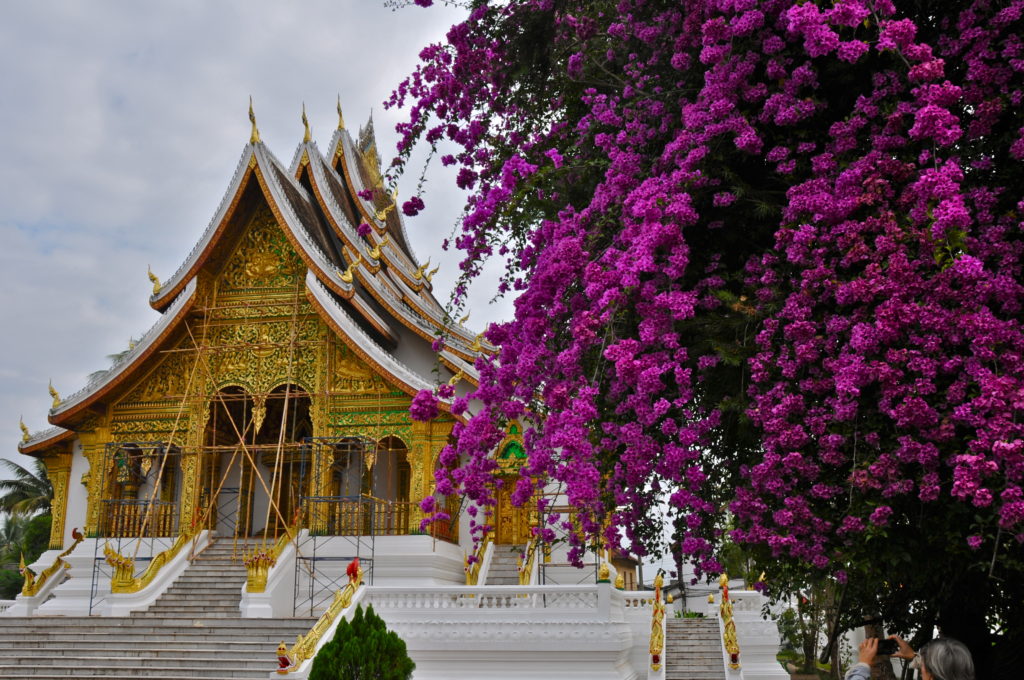
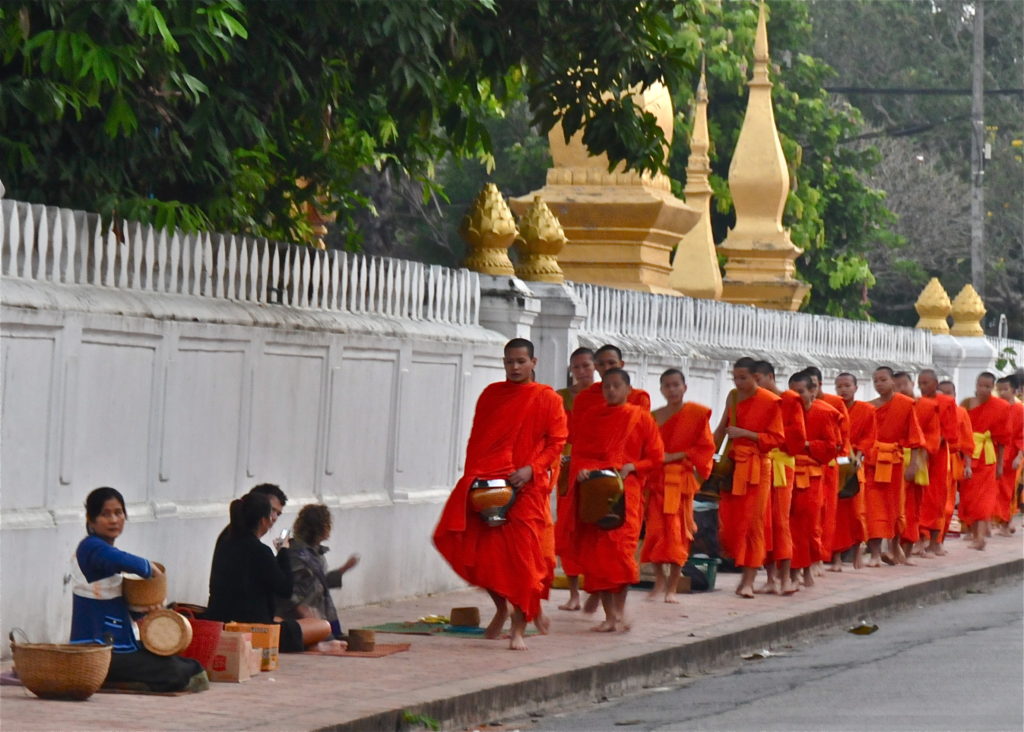
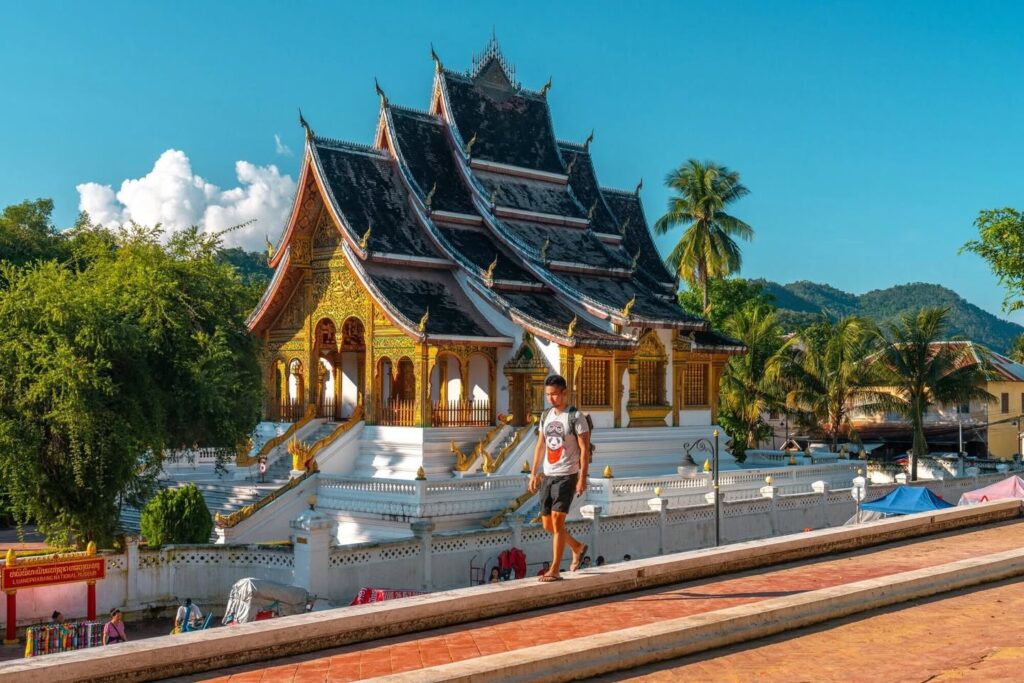
Theravada Buddhism infuses daily life, visible in the thousands of gilded temples (wats) scattered across the country. The former royal capital of Luang Prabang is a UNESCO World Heritage site celebrated for its perfectly preserved blend of traditional Lao architecture and 19th-century French colonial buildings.


🛺 Getting Around

Travel in Laos is part of the adventure, and there are several ways to get around:

  • Train: The Laos-China high-speed railway is a game-changer, connecting Vientiane to Luang Prabang in under two hours. It’s a comfortable, scenic, and fast way to travel between key northern destinations.
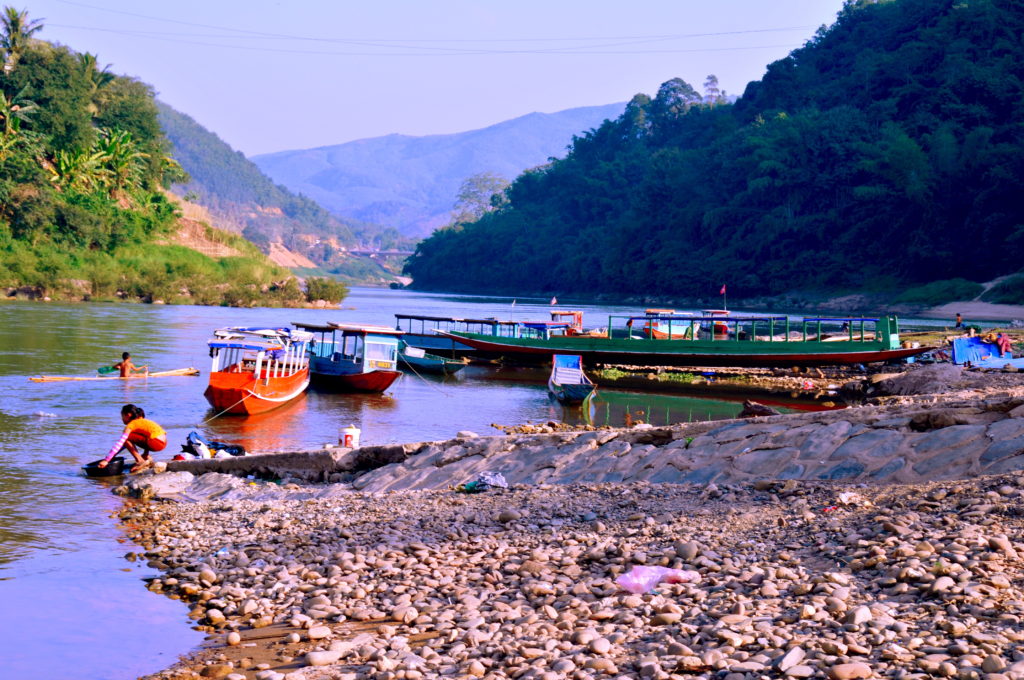
  • Boat: For a truly iconic experience, take a slow boat along the Mekong River, for example from the Thai border to Luang Prabang . It’s a slow, contemplative journey that reveals life along the river.
  • Road: Buses and minivans connect most major towns and are a budget-friendly option. Renting a motorbike or scooter is an excellent way to explore rural areas and off-the-beaten-path sights like the Thakhek Loop


🛺 Travel Essentials

For anyone planning a visit, here are some key practicalities:

  • Best Time to Visit: The most pleasant time is during the cool, dry season from November to February. The weather is ideal for exploring. The monsoon season (June to October) brings heavy rains, while March to May can be very hot and hazy due to agricultural burning.
  • Getting Around: Travel in Laos is an adventure in itself. Transport options include comfortable high-speed trains connecting Vientiane and Luang Prabang, domestic flights, scenic slow boats on the Mekong, and a network of buses and minivans.
  • Visas: Citizens of over 150 countries can obtain a visa on arrival at major airports and land borders. It is also possible to apply for an eVisa online. Always check the latest requirements for your nationality.
  • Currency: The local currency is the Lao Kip (LAK). While US Dollars and Thai Baht are sometimes accepted, the Kip is becoming more widely required. Cash is essential, as credit cards are not widely accepted outside of major hotels and businesses.
  • Safety: Laos is generally considered a very safe and low-crime country for tourists. However, travelers should be aware of unexploded ordnance (UXO) in rural areas, especially in Xieng Khouang, and stick to marked trails.
  • Costs: Laos is an affordable destination. A comfortable, mid-range trip for a week can cost between $500 and $900, including accommodation, food, and activities.

This blend of natural beauty, spiritual heritage, and authentic local life makes Laos a truly rewarding and distinctive destination in Southeast Asia.

Quick Facts

Neighbor: Myanmar and China to the northwest, Vietnam to the east, Cambodia to the south, and Thailand to the west.


Area: 236 800 km²


Population: 7,701,270 people (February 2024)


Ethnic groups: 55% Lao, 11% Kamu, 8% Hmong, 26 % Others


Official Religion: Buddhism (67%)


Capital: Vientiane


Spoken Language: Lao or Laotian is a tonal language of the Tai–Kadai language family. It is the official language of Laos and is also spoken in northeast Thailand, where it is usually referred to as the Isan language.


Currency: USD 1 = 21,650 LAK (April 2025)


Electric Plug Used: 230V and 50 Hz. Laos uses five electrical outlets: A, B, C, E, and F. The primary electrical outlet type in Laos is type F


E-Cigarettes: Though widely available, e-cigarettes are illegal in Laos, and using them in public could result in a fine.


 Last update: Jan 2025

Visa & Travel Permissions

Lao Digital Immigration Form (LDIF)

Starting September 1, 2025, all foreign travelers entering and exiting Laos are required to complete the Lao Digital Immigration Form (LDIF). This new digital form replaces the former paper form and must be submitted before arrival and departure.

The LDIF applies:

During the trial phase (from September 1, 2025):

  • Wattay International Airport (Vientiane)
  • Luang Prabang International Airport
  • Pakse International Airport
  • First Lao-Thai Friendship Bridge (Vientiane – Nong Khai, Thailand)

After the trial (from 2026 onwards):

  • The LDIF will be implemented at all immigration checkpoints across Laos.

Application Details:

  • The LDIF must be completed online within 3 days before arrival and again within 3 days before departure.
  • Travelers can access the application via the official website: https://immigration.gov.la/en/home
  • After submission, travelers will receive a QR code, which is required at immigration checkpoints for electronic verification when entering and exiting the country.

The LDIF is part of Laos’ effort to streamline entry and exit procedures and improve the arrival and departure experience. Travelers are advised to complete the process in advance to avoid delays.


Visa Exemptions

Passport holders from ASEAN Countries, Japan, the Republic of Korea, Russia, Mongolia, Luxembourg, and Switzerland can enter Laos with a visa exemption.


Visa on Arrival – USD40


Travelers of most nations can obtain their Laos visa upon Arrival at the international airports of Vientiane, Luang Prabang, Pakse, and Savannakhet and at all border crossings with Thailand, Cambodia, and China.

Please note that there is sometimes a service charge of USD 1-3, and if the traveler is not carrying passport photos, a charge of USD 1 to get a photograph taken at the port of entry. We recommend carrying some minor notes in US currency.

The processing time of a Visa on Arrival is usually no longer than 30-40 minutes.


e-Visa – USD50


The website to apply for the E-Visa: https://laoevisa.gov.la/

Processing time for the visa is three working days, and it can be used at 8 points of entry to the country:

  • Wattay International Airport (Vientiane Capital)
  • Lao-Thai Friendship Bridge I (Vientiane Capital)
  • Luang Prabang International Airport (Luang Prabang Province)
  • Lao-Thai Friendship Bridge II (Savannakhet Province)
  • Pakse International Airport (Champasak Province)
  • Lao-Thai Friendship Bridge IV (Bokeo Province)
  • Boten International Checkpoint (Luang Namtha Province)
  • Boten Railway Station (Luang Namtha Province)


Travelers holding passports from the following countries are not eligible for a Laos E-visa or visa on Arrival: Afghanistan, Algeria, Bangladesh, Burundi, Cameroon, Congo, Cote d’Ivoire, Ghana, Guinea, Guinea Bissau, Jordan, Lesotho, Liberia, Libya, Mozambique, Nauru, Niger, Nigeria, Pakistan, Senegal, Sierra Leone, Suriname, Syria, Swaziland (Eswatini), Tonga, Zambia, and Zimbabwe. Passport holders from these countries must apply for a Laos visa before visiting the embassies.


Pre-departure Visa from an Embassy

This option is for travelers who cannot obtain a visa or an e-visa upon arrival. Travelers must fill in the form provided by an embassy and pay the requested fee. The visa delivery time may vary according to the time of year. We urge you to plan for a minimum turnaround of 7 working days.


Visa Renewal – USD35

A Lao Visa is valid for 30 days and renewable twice within Laos for an additional 30-day period each time for an additional USD35. The total stay allowance for most travelers in Laos is 90 days with a single entry.


Last update: Sept 2025

Baggage Allowances

Cambodia is a country with a rich and diverse cuisine, influenced by its ancient and colonial history, its dominant religion of Buddhism, and its ethnic diversity. Some of the typical dishes that you can find in Cambodia are:

  • Amok is Cambodia’s national dish, a fragrant and spicy coconut fish curry steamed in banana leaves. It has a mousse-like texture and a distinctive flavor from the spice paste called kroeung. You can also try amok with chicken, tofu, or snails.
  • Kuy teav is a popular street food dish and a common breakfast in Cambodia. It is a noodle soup made from rice vermicelli and pork or beef bones. The broth is topped with fried shallots, garlic, bean sprouts, green onion and herbs. You can also add pork or fish balls, and dip the noodles in chilli paste, lime juice, or hoisin sauce.
  • Nom banh chok is another noodle dish that is often eaten for breakfast or as a snack. It consists of thin rice noodles topped with a green fish curry made from lemongrass, turmeric, kaffir lime leaves, and coconut milk. It is garnished with fresh vegetables, such as cucumber, banana flower, bean sprouts, and mint.
  • Samlar machu is a sour soup that can be made with various ingredients, such as fish, chicken, beef, pork, or vegetables. The sourness comes from tamarind, lime juice, or vinegar. The soup also contains kroeung, palm sugar, fish sauce, and herbs. It is usually served with rice.
  • Kampot pepper crab is a specialty of the coastal town of Kep, where you can find fresh crabs caught daily from the sea. The crabs are stir-fried with garlic, salt, and the famous Kampot pepper, which has a floral and spicy aroma. The dish is simple but delicious.
  • Lap Khmer is a refreshing beef salad that is marinated in lime juice and fish sauce. The beef is thinly sliced and cooked rare or raw. It is mixed with lemongrass, garlic, shallots, chillies, mint, basil, and roasted rice powder. It is served with lettuce leaves and cucumber, slices.
  • Both international and domestic flights usually include a baggage allowance of 20kg for checked luggage and 7kg for carry-on. However, baggage allowances vary depending on the airline travelers use.


    Please visit your airline’s website for more information about baggage allowances and extra fees.


    Last update: Jan 2025

  • Samlar kari is a chicken curry that is influenced by Indian cuisine. The curry paste contains turmeric, ginger, garlic, shallots, lemongrass, galangal, coriander seeds, cumin seeds, and dried chillies. The chicken is cooked with coconut cream and milk, fish sauce, palm sugar, sweet potatoes, and onions. It is served with rice or baguette.

Seasonality

Laos is a premier destination all year round, and every season offers travelers a wealth of exciting new sights and opportunities. Unlike destinations with a sea coastline, Laos is not affected by severe weather patterns, monsoons, or coastal storms.

  • November to February is the most popular time to travel to Laos. Most visitors appreciate the milder climate with less heat during this time.
  • March to October is an Emerald Season in Laos where everything comes to life in a vibrant and lush verdant green. This is a good time of the year to visit to avoid crowds, admire the green rice fields and lush vegetation, and take advantage of the lower season tariffs on accommodations. During many days of the Emerald Season, afternoon rain shower will cool the air and help the flowers bloom.

View details of the weather in Laos here.


Last update: April 2025

Access & Transportation

Flying into Laos

Laos has three international airports.

Wattay International Airport (VTE)

  •  Services: Chiang Mai, Ha Noi, Ho Chi Minh City, Phnom Penh, Siem Reap, Seoul, Singapore, Kuala Lumpur.
  • It is located 5 km outside of the city center. The transfer from the city center to the airport takes around 15 minutes.

Luang Prabang International Airport (LPB)

  • Services: Bangkok, Chiang Mai, Ha Noi, Siem Reap.
  • Located 3 km from the city center. The transfer from the city center to the airport takes about 7 minutes.

Pakse International Airport (PKZ)

  • Services: Ho Chi Minh City and Siem Reap.
  • It is located around 4 km from the city center. The transfer from the city center to the airport takes about 15 minutes.

All international airports have all the amenities expected of a global traveler, including currency exchange, food and drinks, seating facilities, and options for purchasing SIM cards.


National Airline

Lao Airlines (‘Frangipani of the Skies’’) is Laos’ national air carrier. It has domestic and international services to Cambodia, China, Thailand, Vietnam, and Korea.


International Carriers

Vietnam Airlines, Thai Airway, Bangkok Airways, Air Asia, and China Eastern Airlines operate international routes that service Vientiane (VTE) and Luang Prabang (LPB) from the following international destinations: Bangkok, Chiang Mai, Shanghai, Seoul, Hanoi, Ho Chi Minh City, Siem Reap, Phnom Penh.


High-speed Train

The Laos-China Railway is the most efficient way to get around Laos.

Booking a train journey can only occur 7 days in advance of the anticipated departure time and requires a copy of the traveler’s passport.


THE TRAIN TIMETABLE IS REGULARLY ADJUSTED.


Important Notes

Restricted items on board:

The railway has a number of restricted items for travel, much like on an airplane. These items include, but are not limited to: many deodorants, insect repellents, sun creams, lotions, perfumes, food with strong odors, sharp objects (e.g. as knives, scissors, cutters), weapons, ammunition, explosives, chemicals (e.g., flammable liquids), illegal drugs, pets, e-cigarettes, and any food that could cause contamination or discomfort to other passengers.

Also Note:
Keep your train ticket accessible at all times, as it may be checked multiple times during your journey, including when exiting the railway station at your destination.

Boats

It is possible to travel up and down the Mekong by boat. Ferries and cruises are available and operate reliably throughout the year.


Taxi’s & Tuk-tuks

While taxis are available, tuk-tuks are the most common way around urban areas such as Vientiane. We recommend travelers download the Grab mobile app to book tuk-tuks and taxis. The app allows them to pin their location and destination and indicate the fare’s price, avoiding the need to negotiate or the risk of getting scammed.


Last update: Sept 2025

Money & Budget

National Currency

The currency in Laos is the Lao Kip (LAK).

Please note that the currency is non-tradeable, which means it is tough to obtain outside the country and illegal to remove from the government when leaving.

The best way to obtain Kip (LAK) is by withdrawing an international credit or debit card or bringing USD to exchange at a bank or other licensed exchange operator.

While many businesses are happy to accept USD, they also set their exchange rate and give change in Kip (LAK). It is best to pay in Kip (LAK) wherever possible, and it is technically illegal to pay for goods or services in any other foreign currency. Although payment in USD is widely practiced in areas popular with tourists.


BE CAREFUL WITH DAMAGED BILLS, WHICH MOST OFTEN WILL NOT BE ACCEPTED


Credit and Debit Cards

Credit and Debit Card payments are available in major urban areas, usually for a processing fee of 3%. For most local transactions and small businesses, using Kip (LAK) is recommended.

ATMs

ATMs are available in most cities. ATMs can be found on most land borders. All ATMs give out Lao Kip; the maximum amount you can withdraw at once is 2000000 LAK (approximately USD95). Multiple withdrawals are available.


Traveler Checks

Local suppliers rarely accept traveler checks, so we do not recommend you use them in Laos.


Bargaining and Tipping

Vendors in Laos will generally not try to cheat tourists, and therefore, it is in poor taste to attempt to negotiate for goods or services.

Most transactions occur in good faith and with a soft and calm demeanor, regardless of the circumstances. Do not raise your voice, talk down to people, or complain about prices when buying goods or services in Laos.

Tips are not customary but always appreciated. You should never be directly approached for a tip. Some more upscale restaurants may already add a service charge to the bill.


Last update: June 2024

Foods

Lao dishes travelers are likely to come across:

  • Laap is a traditional salad with fresh or cooked buffalo, fish, or beef meat. It is very fragrant and mild in spice.
  • Sai Oua is an herbal sausage typical to the country’s north, specifically Luang Prabang. It comes in several variations, both savory and sweet.
  • Mak Pa is fish from the Mekong River seasoned and fried in banana leaf. This is a unique dish that can be found throughout Laos.
  • Khao Niaw, or ‘sticky rice,’ is a favorite staple for most Lao meals. The rice is a unique culture, and it is prepared so that it is easy to pick up with the hands and soak up sauces.


Last update: June 2024

Import & Export Restrictions

Imports:

If you bring any expensive electronics or other equipment, it is best to declare these items when you enter the country just in case they are lost or stolen (very rare) during your trip. You may bring up to two liquor bottles, a perfume bottle, two cartons of cigarettes, and 100 cigars.


Exports:

The export of playing cards or other gambling equipment, antiques, and anything to do with archaeology or pornography is prohibited. Furthermore, Laos does not allow the export of any of its currency when leaving the country. You may enter and exit with as much foreign currency as you like, but you must declare it (if over 10,000 USD). Keep track of all your expenses with receipts wherever possible to avoid being accused of black market activities when you return home.

You are not allowed to export ANY of the following items: old coins, fossils, jewelry or precious stones (unless through a certified purchase), bronze or brass, antiques, wooden art over 24 inches tall or wide, frescoes or inscribed stones, any national paraphernalia. Purchasing elephant and rhino ivory, tiger bones, bear paws, pangolin scales, and other souvenirs or products from protected animal parts is also forbidden.


Last update: June 2024

Health

Before going to Laos, consult a doctor and ensure all your vaccinations are current and you are vaccinated for Tetanus, Polio, and Diphtheria. Other vaccines recommended include Hepatitis A and Hepatitis B, Typhus, and Tuberculosis; vaccinations against rabies and Japanese encephalitis are also advised. However, officially, no vaccinations are required to enter Laos.

Health Advice:

  • Drink a lot of water during the day (2 liters).
  • Do not drink tap water in Laos. Only bottled water is drinkable.
  • All bottled water is treated and safe to drink. This is also the water used to make ice in Laos, so the consumption of drinks with ice should usually be without incident.
  • Wash your hands frequently.
  • Fresh fruit and street food can usually be consumed without incident. Trust your instinct if you do not like the look or smell of something.


Last update: June 2024

Emergency contacts

Your home embassy may be able to assist with advice during emergencies or serious problems. You might want to register before you arrive so the embassy staff will know where to reach you in case of an emergency at home. If calling a Laos emergency number, you may have to ask for the aid of a Lao speaker because there might not be an English-speaking operator on the line:

  • Ambulance: 192
  • Fire department: 191
  • Police: 199
  • Red Cross: (01) 392029 / 30


Last update: June 2024

What to prepare?

Pre-departure Tasks

  • Ensure your passport is valid for at least six months before expiration.
  • Consider medical, baggage, and trip cancellation insurance.
  • Check with your doctor regarding vaccinations and medicines needed.

Clothes

  • Clothing should be lightweight and of the drip-dry variety.
  • Long sleeves and a broad hat will offer protection from the sun in the day’s heat.
  • Underwear should be synthetic and easily washable.
  • T-shirts and long-sleeved shirts should be lightweight with lots of closed pockets.
  • A light jacket or sweater is recommended when the evenings can be cooler: November-March. In the north of the country or places with higher altitudes, a coat may be necessary in the evenings or early mornings.
  • Long trousers made from a lightweight, quick-drying fabric should have multiple pockets for day trips. Long trousers that turn into shorts are ideal.
    • For trekking, lightweight shorts are acceptable.
    • Shorts should come below the knees, and bathing suits should be modest so as not to offend predominantly Buddhist countries.
    • Hat for sun protection. It should have a wide brim and a strap.
    • A sturdy poncho or parka will help to keep your gear dry in case of rain or waterfall spray.
    • Footwear: sturdy, comfortable boots for trekking or just walking around. They will need to support the ankle and have a non-slip sole.
    • Waterproof sandals for those short trips and boating.
    • Some bright casual clothes for the evenings and restaurants.
    • Visitors should not wear shorts, short skirts, or other skimpy clothing when visiting pagodas and monasteries.

Pharmacy

  • Insect repellent
  • Antiseptic wipes for hand washing and emergency toilet paper
  • Personal First Aid Kit (bring in small amounts and in small containers)
  • Aspirin/ibuprofen, etc. (paracetamol is recommended – aspirin can be dangerous in case of dengue fever)
  • Cold-symptom relief tablets, antihistamines, cough drops
  • Adequate quantity of sweat-resistant sunscreen with at least an SPF 15 rating or higher and lip balm with sunscreen
  • Prescription medicines in their original bottles. Acidophilus enzyme (available in capsules in health-food stores). This often helps your digestive system get in shape for “new” flora.
  • Immodium, Lomotil, or similar anti-diarrhea medicine. Pepto-Bismol tablets and liquid (in leak-proof bottle).
  • Medical prescriptions if you travel with prescription drugs.

Misc.

  • ID pictures for visa
  • At least 30 USD in cash for the visa fee
  • Passport and essential documents’ photocopies in case of loss


Last update: June 2024

Do's and Don'ts in Laos

Do’s and Don’ts in Laos


Understanding the local customs and etiquette in Laos is key to a respectful and rewarding visit. Lao culture is deeply influenced by Theravada Buddhism, which emphasizes calmness, “saving face,” and respect for social hierarchy. The guiding philosophy is often summed up by the phrases “bor pen yang” (no worries) and “Please Don’t Rush”. This means that keeping a cool head and smiling, even when things go wrong, is the best way to navigate any situation.


🙏 Core Etiquette: The Head, Feet, and the “Nop”

The most fundamental concept in Lao etiquette is the belief that the head is the holiest part of the body and the feet are the lowest and dirtiest.

  • 🦶 Don’t Point with Your Feet: Never point your feet at another person, a Buddha image, or any sacred object. When sitting on the floor, sit with your legs tucked to the side or crossed, rather than stretching them out in front of you.
  • 🙅 Don’t Touch Anyone’s Head: The head is considered sacred. Touching someone’s head, even as a friendly gesture, is very rude and insensitive.
  • 😀 The “Nop” Greeting: While a handshake is acceptable for men, the traditional and most respectful greeting is the “nop” (or wai). This involves pressing your palms together at chest level and bowing your head slightly. It’s a polite gesture that will be warmly received.
  • 🤝 Passing Items: Always pass objects, give gifts, and receive items with your right hand. You can place your left hand under your right elbow as a sign of additional respect.


🏛️ Temples & Monks

Visiting temples is a highlight of any trip to Laos, but it’s vital to follow these rules to show respect.

  • Dress Modestly: Cover your shoulders and knees when entering any temple. Avoid tank tops, shorts, and revealing clothing.
  • Remove Your Shoes: Always take off your shoes before entering a temple building or a Lao home. Look for the pile of shoes at the entrance as your cue.
  • Women & Monks: Women must never touch a monk or his robes. If a woman needs to give something to a monk, she should either hand it to a man to pass on or place it on a surface for the monk to pick up himself.
  • Temple Etiquette: When taking photos, ensure you’re not disrespecting the sacred space. Avoid climbing on stupas or Buddha images, and speak quietly.


🤝 Social & Communication Norms

Lao people are generally soft-spoken and avoid confrontation. To be a courteous guest, it’s best to follow these guidelines.

  • Stay Calm: Never shout, raise your voice, or lose your temper in public. This causes loss of face and is considered very rude. Maintain a calm and friendly demeanor, especially when problem-solving.
  • Public Displays of Affection: Public displays of affection like hugging or kissing are considered impolite and embarrassing to locals. Be discreet.
  • Talk About the War: Be very careful when discussing the Vietnam War (Second Indochina War). Many Lao people avoid talking about it. If they share stories with you, it is best to listen quietly as a sign of respect.
  • Political & Religious Discussion: It’s best to avoid getting into deep conversations about the political situation in Laos or debating religion. These are sensitive topics.
  • Don’t Homogenize Cultures: Avoid lumping Lao people in with their neighbors (Thais, Cambodians, Vietnamese). They have a distinct culture and history.


🍜 Eating & Dining

Lao food is delicious and often eaten communally. Here’s what to keep in mind.

  • Eating with Hands: Many Lao dishes, particularly sticky rice (khao niew), are eaten with your hands. Wash your hands before eating.
  • The Sticky Rice Basket: After you’ve finished eating, put the lid back on the sticky rice basket. Some Lao believe leaving it open invites evil spirits to the table.
  • Tipping: Tipping is not a part of traditional Lao culture. However, it is becoming more appropriate in upmarket restaurants. For a $1 bowl of noodle soup, a tip could be considered rude.


⚠️ Safety & Practical Advice

Beyond cultural etiquette, there are several practical tips to ensure a safe and smooth trip.

  • Methanol Poisoning: Be extremely cautious when drinking alcohol. There have been serious incidents of methanol poisoning from counterfeit and homemade spirits. Stick to reputable licensed bars and avoid cheap, unbranded alcohol.
  • Unexploded Ordnance (UXO): Laos is the most bombed country per capita in history. Unexploded bombs remain a danger, especially in Xieng Khouang Province (Plain of Jars) and along the Lao-Vietnamese border. Never touch any unknown metal objects and stick to well-used roads and paths.
  • Road Safety: Roads in Laos can be in poor condition, and driving standards are often unsafe. Travel by road, especially by motorbike, carries significant risk. If you drive, always wear a helmet, ensure your insurance covers you, and avoid driving at night. Be aware that in the event of an accident, you may be held liable for compensation even if you are not at fault.
  • Drugs are Illegal: Penalties for drug use and possession can be extremely severe, including long prison sentences or even the death penalty. Just because you see drugs doesn’t mean they are legal or safe.
  • Be Careful with Photos: Ask permission before taking photos of people, especially children, who are not tourist attractions. Do not take photos of military or government sites.
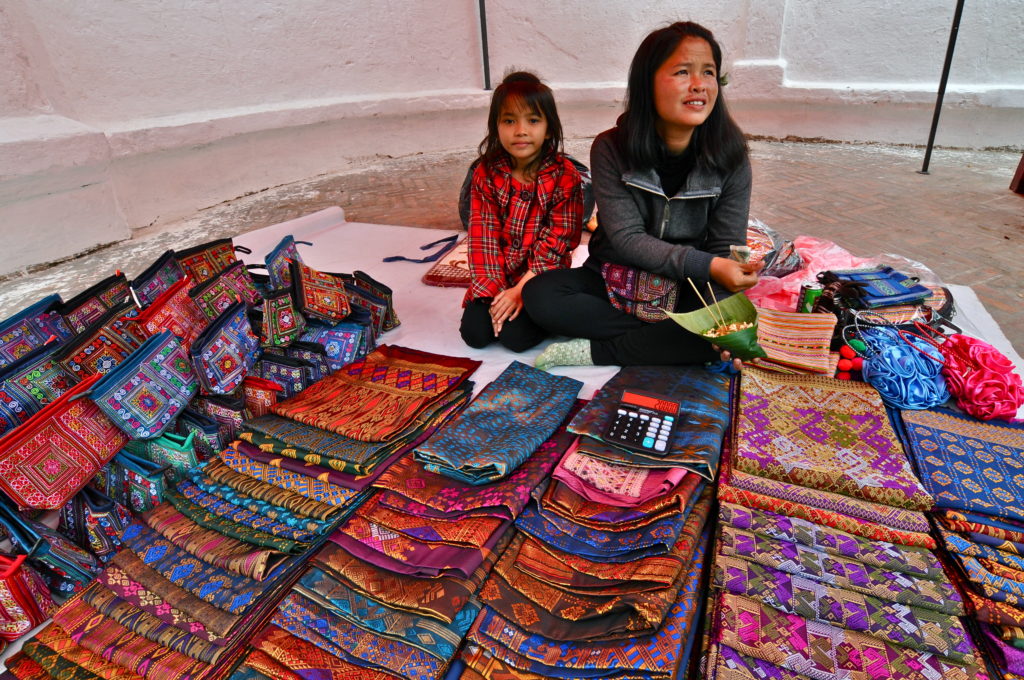
  • Don’t Buy Antiques: It is illegal and highly discouraged to buy antiques or ancient Buddha images, as it removes part of Laos’s cultural heritage. Instead, support local artisans by buying new, high-quality handicrafts.

💡 Quick Reference: Do’s & Don’ts

For a quick overview, here are the key points to remember:

Do’s 🚫 Don’ts
Dress modestly, especially in temples Point your feet at people or Buddha images
Remove your shoes before entering homes and temples Touch anyone on the head
Greet with a “Nop” and a smile Lose your temper or shout in public
Accept that things work on “Lao time” Criticize the political system or monarchy
Ask permission before taking photos of people Take photos of children without permission
Use your right hand to pass or receive items Buy antiques, Buddha images, or wildlife products
Stay calm and focus on solutions when things go wrong Accept food or drinks from strangers
Only drink alcohol from reputable, licensed sources Ride a motorbike without a helmet or proper license
Stick to marked paths and roads, especially in UXO areas Consume homemade spirits or cheap, unbranded alcohol


Embracing these cultural norms and safety advice will help you have a fantastic and respectful trip to the “Land of a Million Elephants.

The best time to visit Laos is generally during the cool, dry season from November to February, when the weather is most comfortable for exploring the country’s cultural and natural highlights.

This period offers sunny skies, lower humidity, and pleasant temperatures, making it ideal for a wide range of activities. However, the ideal time can vary depending on what you want to see and do. Here is a detailed month-by-month breakdown to help you decide.


📅 Month-by-Month Weather & Travel Guide

Month Season & Key Weather Highlights & Things to Do Considerations
January – February Cool & Dry Season: This is the peak of the high season. Expect clear skies, sunny days, and comfortable temperatures, though the north can get quite cold at night. Ideal for sightseeing, trekking, and river cruises. Water levels are high, making boat travel rewarding. Festivals like the Wat Phou Festival near Champasak occur during this time. This is the busiest time of year. Book accommodation and tours well in advance.
March – April Hot & Dry Season: Temperatures rise significantly, often exceeding 35°C, and can reach up to 40°C in the south. The “burning season” begins, with smoke from agricultural fires creating a haze, especially in the north. Lao New Year (Pi Mai) in mid-April is a nationwide water festival, a unique and joyful cultural experience. The intense heat and smoky air can make sightseeing uncomfortable, especially for those with respiratory issues. River levels are low, which can affect boat travel.
May – September Wet (Monsoon) Season: This is the “green season,” when the landscape becomes incredibly lush and vibrant. Showers are often short, heavy, and afternoon downpours. August is typically the wettest month. Waterfalls are at their most spectacular. Fewer tourists and lower prices make for a quieter, more affordable trip. Rural roads can become muddy or impassable, and travel to remote areas may be disrupted by flooding. Temperatures remain hot and humid.
October – November Transition & Early Dry Season: The rains gradually ease off, and the weather becomes more pleasant. October is a great shoulder season month to “beat the crowds” while the countryside is still green. Boat Racing Festival (Boun Ok Phansa) in October marks the end of Buddhist Lent. November offers excellent weather, high river levels for boat trips, and lush scenery. The weather is generally excellent, making this a very popular time for travel.

💡 Key Factors to Consider

  • For the Best Weather: The cool, dry season (November–February) is the overall winner. The weather is ideal for exploring the temples of Luang Prabang and Vientiane, trekking, and other outdoor activities.
  • The Burning Season (March–April): Be aware of the “burning season.” The smoke from agricultural fires can significantly impact air quality and reduce visibility, especially in northern Laos. If you have sensitive eyes or respiratory conditions, it’s wise to avoid this period.
  • The Green Season (May–September): Don’t write off the rainy season. The downpours are often short, and the country is at its most beautiful, with vibrant green landscapes and powerful waterfalls. It’s a fantastic time for a unique and quieter experience, provided you are prepared for some travel disruption.

🛂 Passport Requirements

Before you plan your visa, make sure your passport meets these basic entry requirements. Both are strictly enforced.

  • Validity: Your passport must be valid for at least 6 months from the date you enter Laos.
  • Blank Pages: You will need at least two blank visa pages in your passport for entry and exit stamps.
  • Condition: Ensure your passport is undamaged; torn pages or an frayed cover can result in being denied boarding by your airline.


📜 Visa Options

Unless you hold a passport from a visa-exempt country (primarily ASEAN nations, Japan, South Korea, Switzerland, and Luxembourg, which get 14–30 days visa-free), you will need a tourist visa. You have three main ways to get one:


Option A: e-Visa (Highly Recommended)

The easiest way to prepare for your trip is to apply online ahead of time through the official government portal (www.laoevisa.gov.la).

  • Cost: Around $50 USD.
  • Processing Time: Roughly 3 business days.
  • Validity: Once issued, you have 60 days to use it. It allows for a single entry and a maximum stay of 30 days.
  • Where to use it: It is accepted at major airports (Vientiane, Luang Prabang, Pakse) and the main Lao-Thai Friendship Bridge.


Option B: Visa on Arrival (VoA)

If you prefer to wing it or are entering through a land border that doesn’t accept e-visas, you can get a Visa on Arrival.

  • Cost: Typically $30 to $45 USD, depending on your nationality.
  • What you need to bring:
    1. Your passport.
    2. Two recent passport-sized photos (4×6 cm) with a white background.
    3. Cash in USD (clean, unwrinkled, un-torn bills). Paying in Thai Baht or Lao Kip is sometimes allowed but results in a much worse exchange rate.

Laos e-visa+ 1

  • Validity: Single entry, up to 30 days.


Option C: Embassy Visa

You can visit a Lao Embassy or Consulate in your home country (or a neighboring country like Thailand or Vietnam) to get a visa stamped into your passport before you travel. This is mostly necessary if your nationality is not eligible for an e-Visa or Visa on Arrival.


⚠️ Overstay Warning: If you want to stay longer, you can legally extend a tourist visa twice at immigration offices within Laos for a total of 60 additional days. Do not overstay your visa; the government enforces heavy fines, deportation, and potential re-entry bans for overstayers.


🆕 Important Update: The Digital Arrival Form

Since January 2026, a new requirement is in effect: you must complete the Lao Digital Immigration Form (LDIF) before you arrive.

  • When to complete: Within 3 days (72 hours) of your arrival.
  • Where: On the official government portal at gov.la.
  • What to do: After submitting the form, you will receive a QR code. You must present this code (printed or on your phone) along with your passport and visa at immigration.

Laos is a land of timeless beauty, where the mighty Mekong River and misty mountains create a backdrop for a deeply spiritual and authentic culture. From the gilded temples of Luang Prabang to the coffee plantations of the Bolaven Plateau and the river islands of the south, the country offers a wealth of experiences for the slow traveler seeking meaningful encounters. Here are some of the best places to visit across the country.


🏛️ The Must-See Highlights

This region offers the most iconic and accessible sights of Laos, perfect for a shorter visit.

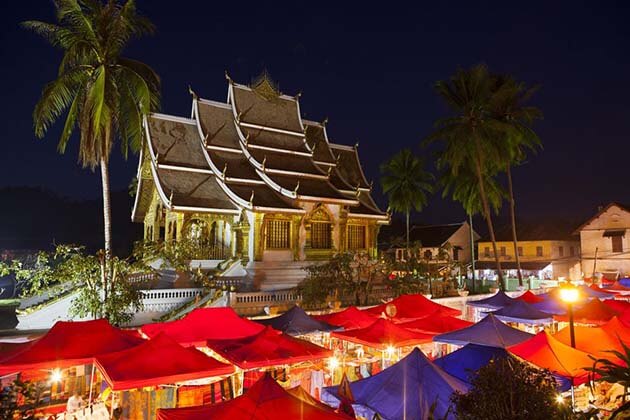
  • Luang Prabang: The cultural and spiritual heart of Laos. This UNESCO World Heritage city is a peaceful blend of golden-roofed temples, French colonial architecture, and a riverside setting.
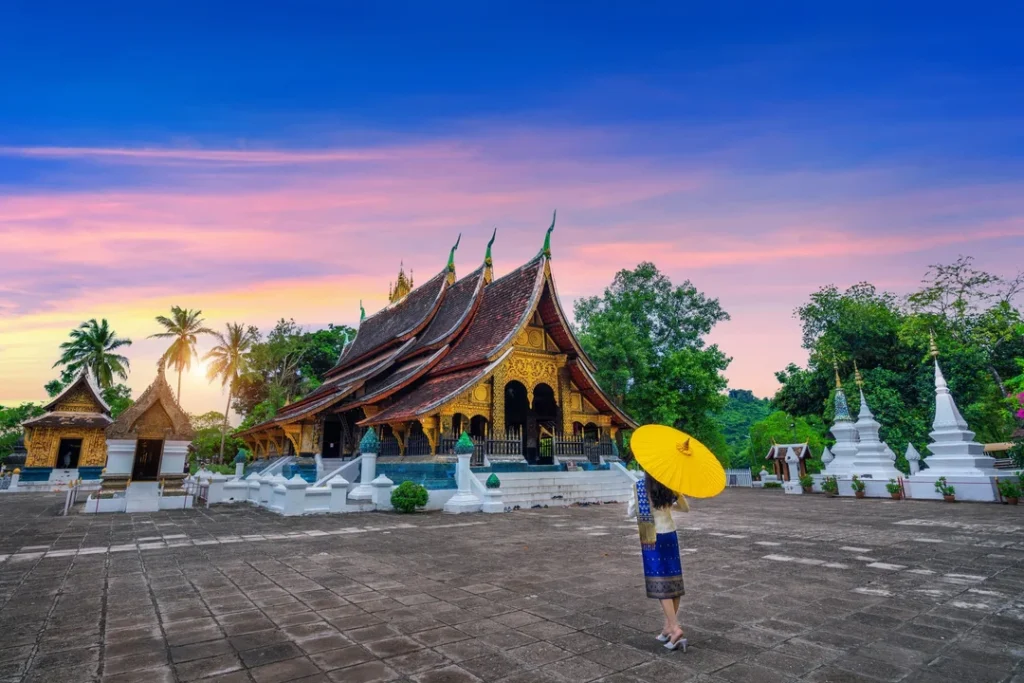
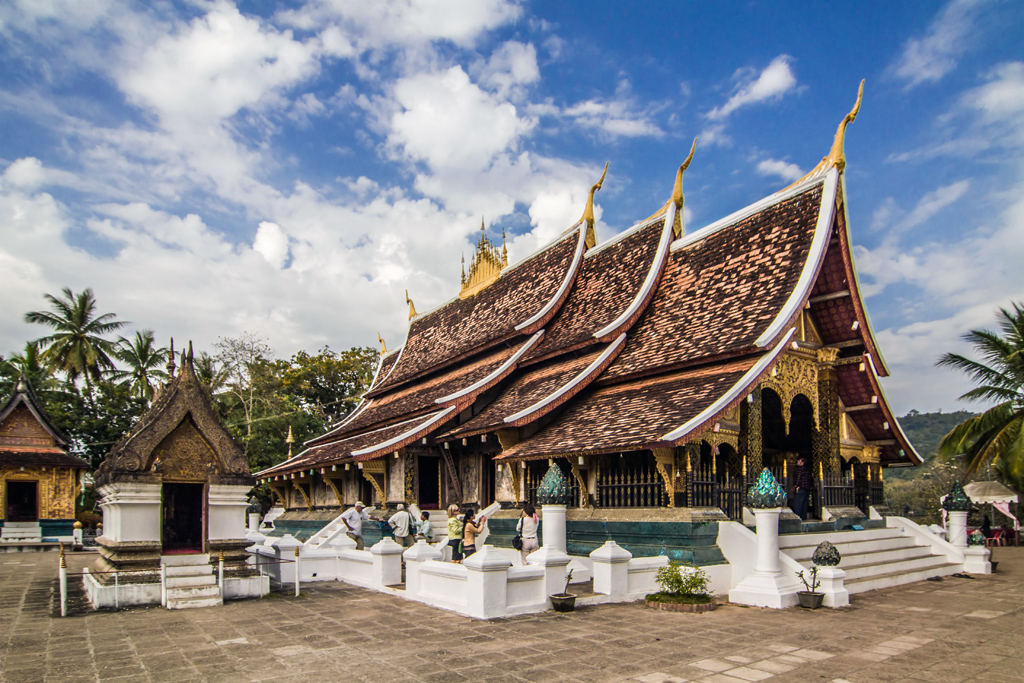
    • What to See & Do: Explore the magnificent Wat Xieng Thong, the city’s most important temple; climb Mount Phousi for a panoramic view at sunset; and witness the daily Tak Bat (alms-giving ceremony), a sacred ritual where monks collect offerings at dawn. For a nature escape, the turquoise pools of Kuang Si Waterfall are a must-see. To learn about the country’s painful history, the UXO Lao Visitor Center is a sobering but essential stop.
    • Best For: Culture, history, spirituality, and laid-back charm.
  • Vientiane: The laid-back capital offers a more relaxed pace than other Southeast Asian cities. It’s a great place to get a broader sense of Laos’ history and colonial past.
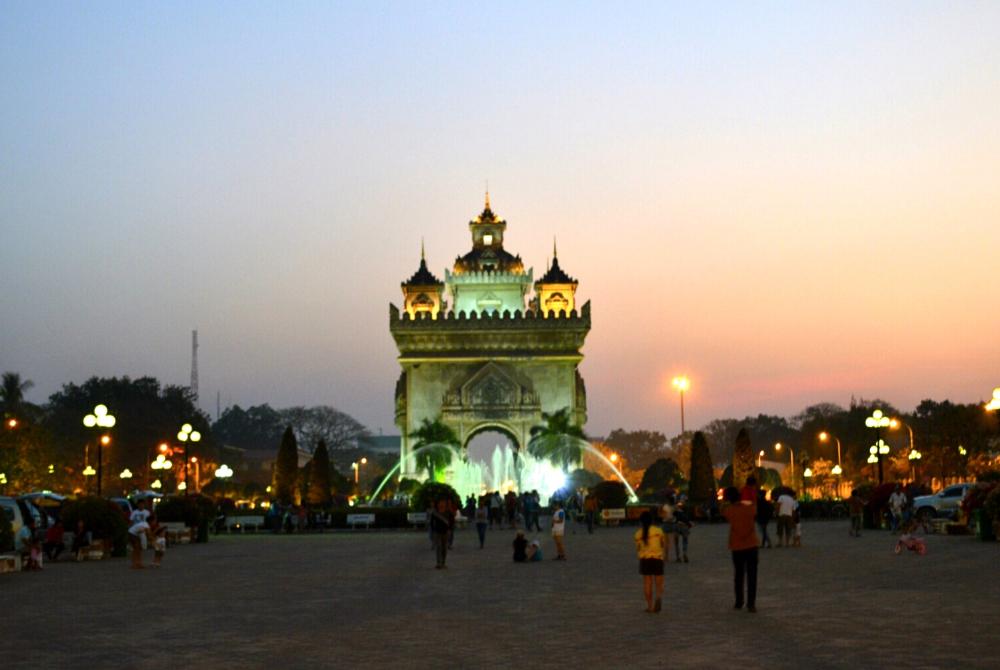
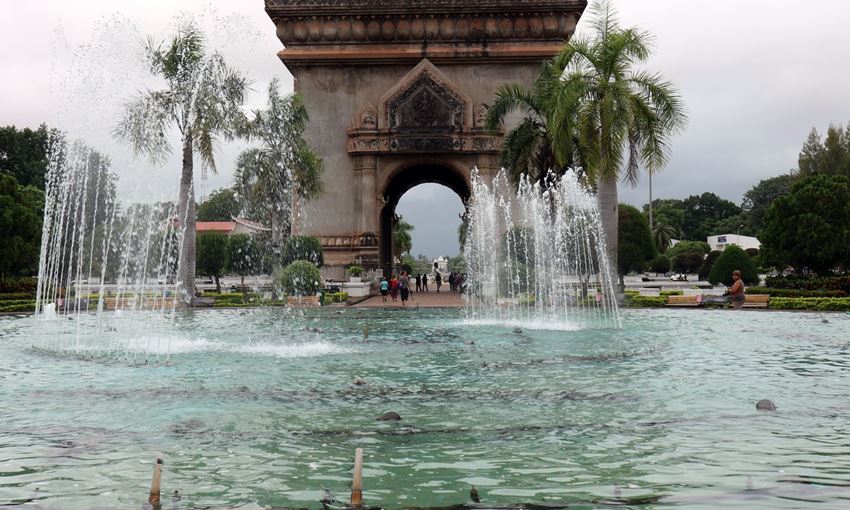
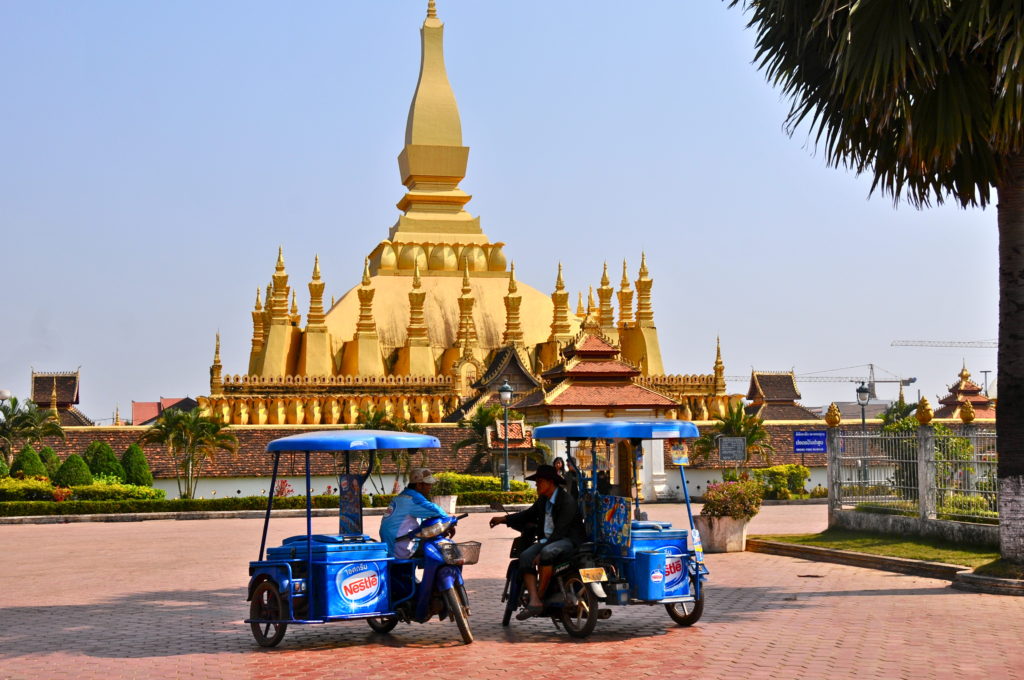
    • What to See & Do: Visit the sacred golden stupa of Pha That Luang, the most important national monument. Explore the oldest temple in the city, Wat Si Saket, which survived the Siamese invasion in the 1820s. See the Patuxai (Victory Gate) monument, Laos’ version of the Arc de Triomphe. The quirky Buddha Park, filled with over 200 statues, is a short trip outside the city.
    • Best For: Capital city exploration, history, and a taste of the colonial era.


🌄 Adventures in the North

For those seeking stunning landscapes and off-the-beaten-path adventures, northern Laos is a paradise.

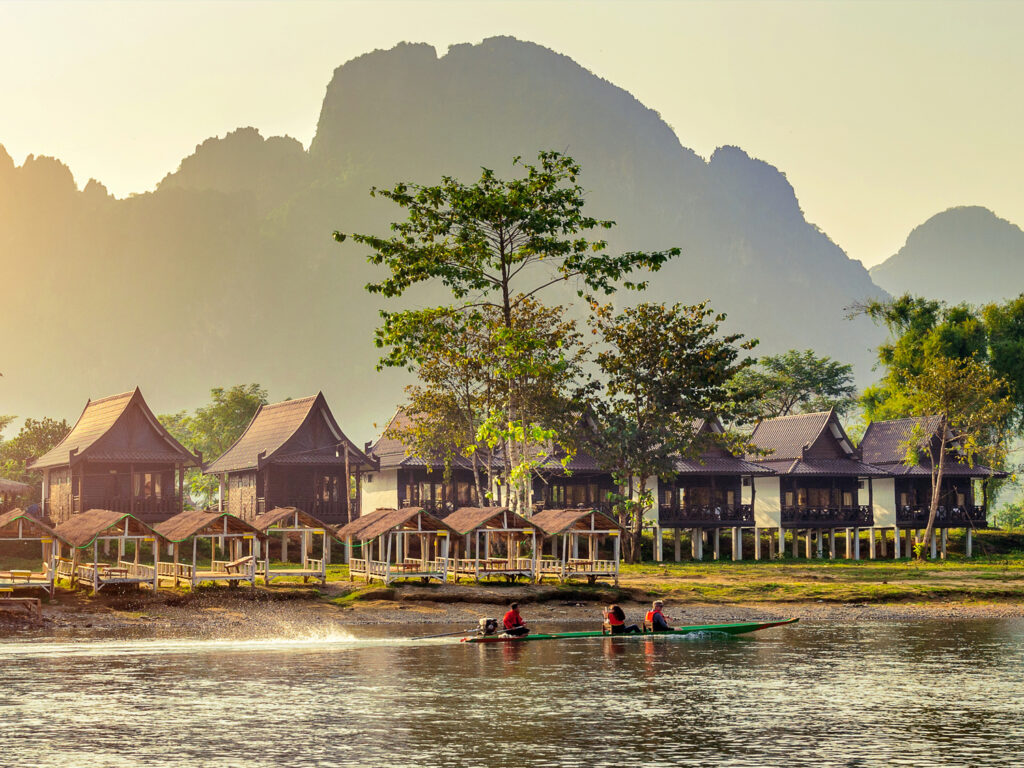
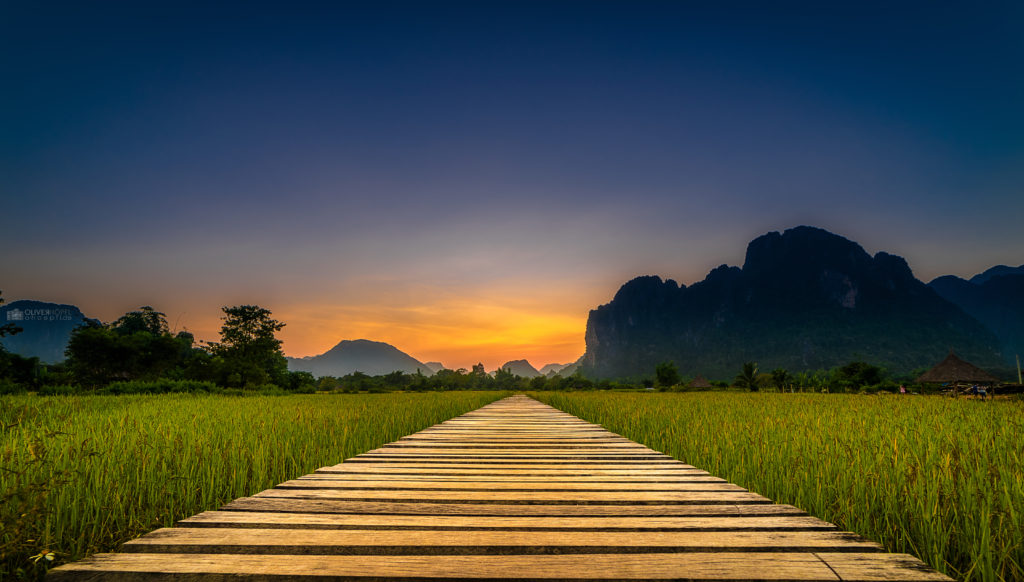
  • Vang Vieng: Once known for its party scene, Vang Vieng has reinvented itself as an adventure destination set amidst dramatic limestone karsts. Rent a scooter, explore hidden lagoons, and enjoy the cinematic sunsets.
    • Best For: Outdoor adventure, kayaking, caving, and rock climbing.
  • The Northern Hills (Phongsaly & Oudomxay): For a truly remote and authentic experience, head to the far north. Phongsaly is known for its misty mountains, ancient tea forests, and multi-ethnic communities. Oudomxay offers homestays, forest trails, and a deep cultural heritage.
    • Best For: Cultural immersion, trekking, and escaping the tourist trail.


🌿 The Southern Gems

Southern Laos offers a completely different landscape, from the cool highlands to the riverine islands of the Mekong.

  • Bolaven Plateau: This cool highland region is famous for its coffee plantations, spectacular waterfalls, and scenic beauty. It’s the perfect place for a coffee farm tour or a trek to see the region’s lush greenery.
    • Best For: Coffee lovers, nature walks, and waterfall chasing.
  • 4000 Islands (Si Phan Don): Where the Mekong River widens into a vast archipelago. Life here moves at a snail’s pace, making it an idyllic place to relax by the river. You can cycle between islands and try to spot the rare Irrawaddy dolphins near Lippi Falls.
    • Best For: Unwinding, cycling, and river life.
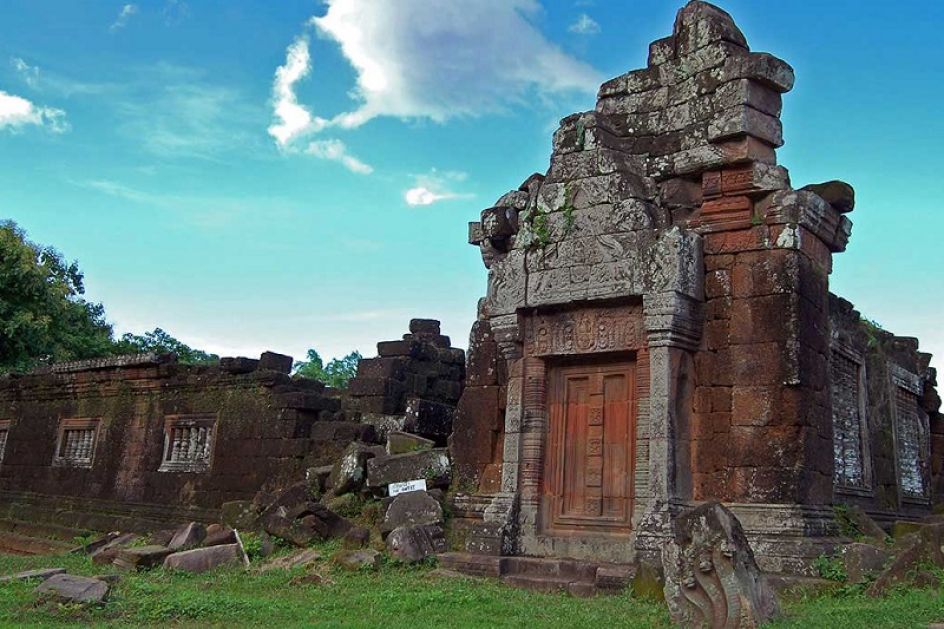
  • Wat Phou (Champasak): This ancient Khmer temple complex, a UNESCO World Heritage site, is considered a precursor to Cambodia’s Angkor Wat. It’s a significant and atmospheric ruin hidden in the jungle.
    • Best For: History and archaeology enthusiasts.


🗺️ The Adventurer’s Circuit

For the more intrepid traveler, these central and remote locations are well worth the effort.

Place What to See & Do Best For
Plain of Jars (Phonsavan) Explore the mysterious UNESCO-listed site scattered with hundreds of giant stone vessels, dating back to the Iron Age. History, mystery, and archaeology.
Kong Lor Cave Navigate a 7.5km-long river cave by boat, one of the longest navigable river caves in the world, with a guide. Adventure, caving, and natural wonders.
Thakhek Loop A famous 500km motorbike journey through the central province of Khammouane, taking you past limestone karsts, rice paddies, and caves. Motorbike adventurers and independent travelers.

Laos is a country that rewards travelers who take their time. The best way to experience it is to slow down, embrace the local philosophy of chai yen yen (cool heart), and discover the stories woven into its landscapes and culture.

Laos

Our Best-Selling Tour Packages

LUANG PRABANG HIGHLIGHTS 05 DAYS / 04 NIGHTS

Laos

Tour of Laos to discover the ancient Kingdom of the Million of Elephants: from the UNESCO site of....

DETAILS

LAOS SPIRIT 07 DAYS / 06 NIGHTS

Laos

Tour of Laos to discover the ancient Kingdom of the Million of Elephants: from the UNESCO site of....

DETAILS

LAOS OFF THE BEATEN PATH 13 DAYS / 12 NIGHTS

Laos

Tour of Laos to discover the ancient Kingdom of the Million of Elephants: from the UNESCO site of....

DETAILS

LAOS EXPRESS 08 DAYS / 07 NIGHTS

Laos

Tour of Laos to discover the ancient Kingdom of the Million of Elephants: from the UNESCO site of....

DETAILS

LAOS DISCOVERY 07 DAYS / 06 NIGHTS

Laos

Tour of Laos to discover the ancient Kingdom of the Million of Elephants: from the UNESCO site of....

DETAILS

LAOS CLASSIC 06 DAYS / 05 NIGHTS

Laos

Tour of Laos to discover the ancient Kingdom of the Million of Elephants: from the UNESCO site of....

DETAILS

LAOS AT GLANCE 09 DAYS / 08 NIGHTS

Laos

Tour of Laos to discover the ancient Kingdom of the Million of Elephants: from the UNESCO site of....

DETAILS

LAOS ADVENTURE BY TRAIN 12 DAYS / 11 NIGHTS

Laos

Tour of Laos to discover the ancient Kingdom of the Million of Elephants: from the UNESCO site of....

DETAILS

INSIDE LAOS 12 DAYS / 11 NIGHTS

Laos

Tour of Laos to discover the ancient Kingdom of the Million of Elephants: from the UNESCO site of....

DETAILS

DISCOVER LAOS 09 DAYS / 08 NIGHTS

Laos

Tour of Laos to discover the ancient Kingdom of the Million of Elephants: from the UNESCO site of....

DETAILS

NORTHER LAOS “RIVERS, JUNGLES & TRIBES” 14 DAYS / 13 NIGHTS

Laos

Tour of Laos to discover the ancient Kingdom of the Million of Elephants: from the UNESCO site of....

DETAILS

Laos from North to South 10 days / 9 nights

Laos

Tour of Laos to discover the ancient Kingdom of the Million of Elephants: from the UNESCO site of....

DETAILS

Laos Express Tour 06 days / 05 nights

Laos

Our 6-day tours Laos Express, we will show you the stories about this beautiful country. From the ancient town,...

DETAILS

Jewel of Mekong 05 days / 04 nights

Laos

Prepare yourself to swim and have fun in the falls and enjoy the natural pools “Khouangsi Waterfall”.

DETAILS

Luang Praband Classic Tours 04 days/ 03 nights

Laos

Discover Laos’ old capital, a UNESCO World Heritage Site, on this 4-day Luang Prabang Classic tour....

DETAILS

Glimpse of Luang Prabang 3 days / 2 nights

Laos

This tour is designed for a short time traveler, but you should still visit all the main attractions of Luang Prabang!

DETAILS

Laos

Beach Holiday Packages

Luang Praband Classic Tours 04 days/ 03 nights

Laos

Discover Laos’ old capital, a UNESCO World Heritage Site, on this 4-day Luang Prabang Classic tour....

DETAILS

Laos

City & Short Breaks Tour Packages

Glimpse of Luang Prabang 3 days / 2 nights

Laos

This tour is designed for a short time traveler, but you should still visit all the main attractions of Luang Prabang!

DETAILS

Jewel of Mekong 05 days / 04 nights

Laos

Prepare yourself to swim and have fun in the falls and enjoy the natural pools “Khouangsi Waterfall”.

DETAILS

Laos

Classic Packages

Laos Express Tour 06 days / 05 nights

Laos

Our 6-day tours Laos Express, we will show you the stories about this beautiful country. From the ancient town,...

DETAILS

Luang Praband Classic Tours 04 days/ 03 nights

Laos

Discover Laos’ old capital, a UNESCO World Heritage Site, on this 4-day Luang Prabang Classic tour....

DETAILS

Luang Prabang Family Vacation 05 days / 04 nights

Laos

If your family love activities outdoor such as trekking, cycling, kayaking..., our Luang Prabang family vacation....

DETAILS

Laos

Classic & Culture Tour Packages

Laos Express Tour 06 days / 05 nights

Laos

Our 6-day tours Laos Express, we will show you the stories about this beautiful country. From the ancient town,...

DETAILS

Luang Praband Classic Tours 04 days/ 03 nights

Laos

Discover Laos’ old capital, a UNESCO World Heritage Site, on this 4-day Luang Prabang Classic tour....

DETAILS

Laos

Country Hightlight Packages

Laos Express Tour 06 days / 05 nights

Laos

Our 6-day tours Laos Express, we will show you the stories about this beautiful country. From the ancient town,...

DETAILS

Laos

Culture Tour Packages

DISCOVER LAOS 09 DAYS / 08 NIGHTS

Laos

Tour of Laos to discover the ancient Kingdom of the Million of Elephants: from the UNESCO site of....

DETAILS

INSIDE LAOS 12 DAYS / 11 NIGHTS

Laos

Tour of Laos to discover the ancient Kingdom of the Million of Elephants: from the UNESCO site of....

DETAILS

LAOS ADVENTURE BY TRAIN 12 DAYS / 11 NIGHTS

Laos

Tour of Laos to discover the ancient Kingdom of the Million of Elephants: from the UNESCO site of....

DETAILS

LAOS AT GLANCE 09 DAYS / 08 NIGHTS

Laos

Tour of Laos to discover the ancient Kingdom of the Million of Elephants: from the UNESCO site of....

DETAILS

LAOS CLASSIC 06 DAYS / 05 NIGHTS

Laos

Tour of Laos to discover the ancient Kingdom of the Million of Elephants: from the UNESCO site of....

DETAILS

LAOS DISCOVERY 07 DAYS / 06 NIGHTS

Laos

Tour of Laos to discover the ancient Kingdom of the Million of Elephants: from the UNESCO site of....

DETAILS

LAOS EXPRESS 08 DAYS / 07 NIGHTS

Laos

Tour of Laos to discover the ancient Kingdom of the Million of Elephants: from the UNESCO site of....

DETAILS

Laos Express Tour 06 days / 05 nights

Laos

Our 6-day tours Laos Express, we will show you the stories about this beautiful country. From the ancient town,...

DETAILS

Laos from North to South 10 days / 9 nights

Laos

Tour of Laos to discover the ancient Kingdom of the Million of Elephants: from the UNESCO site of....

DETAILS

LAOS OFF THE BEATEN PATH 13 DAYS / 12 NIGHTS

Laos

Tour of Laos to discover the ancient Kingdom of the Million of Elephants: from the UNESCO site of....

DETAILS

LAOS SPIRIT 07 DAYS / 06 NIGHTS

Laos

Tour of Laos to discover the ancient Kingdom of the Million of Elephants: from the UNESCO site of....

DETAILS

Luang Praband Classic Tours 04 days/ 03 nights

Laos

Discover Laos’ old capital, a UNESCO World Heritage Site, on this 4-day Luang Prabang Classic tour....

DETAILS

LUANG PRABANG HIGHLIGHTS 05 DAYS / 04 NIGHTS

Laos

Tour of Laos to discover the ancient Kingdom of the Million of Elephants: from the UNESCO site of....

DETAILS

NORTHER LAOS “RIVERS, JUNGLES & TRIBES” 14 DAYS / 13 NIGHTS

Laos

Tour of Laos to discover the ancient Kingdom of the Million of Elephants: from the UNESCO site of....

DETAILS

Laos

Family Tour Packages

Amazing Laos Family Vacation 09 days / 08 nights

Laos

If your family love activities outdoor such as trekking, cycling, kayaking..., our amazing Laos family vacation...

DETAILS

Luang Prabang Family Vacation 05 days / 04 nights

Laos

If your family love activities outdoor such as trekking, cycling, kayaking..., our Luang Prabang family vacation....

DETAILS