“The Land of Smiles”
Thailand is a vibrant Southeast Asian kingdom known as the “Land of Smiles.” It’s the only country in the region never to have been colonized by a European power, and it offers a captivating blend of rich history, stunning landscapes, and world-famous hospitality.
🏛️ Overview & Geography
- Geography & Borders: Thailand is located in the heart of mainland Southeast Asia, sharing borders with Myanmar, Laos, Cambodia, and Malaysia. It has a coastline of 3,219 kilometers along both the Gulf of Thailand and the Andaman Sea.
- Area: The country covers approximately 513,000 square kilometers, making it comparable in size to France.
- Regions: It is traditionally divided into five regions: the mountainous North, the fertile Central Plains (the “rice bowl of Asia”), the arid Northeast (Isan), the coastal East, and the tropical South with its famous islands.
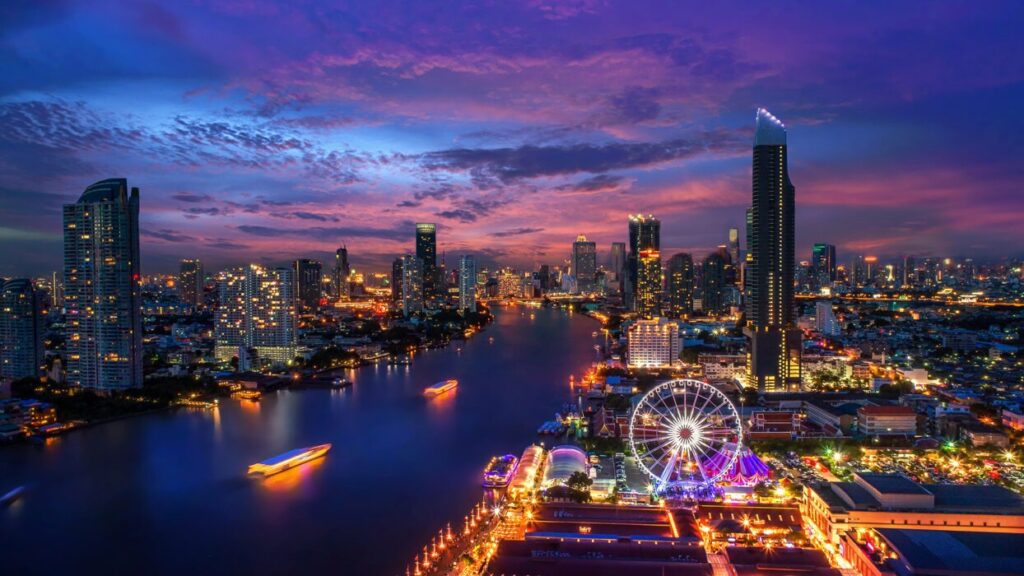
- Capital: Bangkok (Krung Thep), the capital and economic hub.
- Climate: The tropical monsoon climate brings three distinct seasons—hot, rainy, and cool. The most pleasant time to visit is during the cool season from November to February.
👑 Government & History
- Government: Thailand is a constitutional monarchy. The current head of state is His Majesty King Maha Vajiralongkorn (Rama X), who ascended the throne in 2016.
- Politics: The country has experienced a complex political history, including periods of military rule. The most recent parliamentary elections were held in May 2023.
- Historical Highlights: The unified Thai kingdom dates back to 1238 with the Sukhothai era, followed by the powerful Ayutthaya kingdom. The current Chakri dynasty was established in 1782, with its capital in Bangkok.
- Unique Status: Thailand’s success in avoiding colonization was largely due to its strategic position as a buffer state between British and French colonial powers in the 19th century.
📜 Culture & Society
- Population: Thailand has a population of approximately 66-72 million (depending on the estimate), predominantly ethnic Thai, with significant Chinese, Khmer, and Malay minorities.
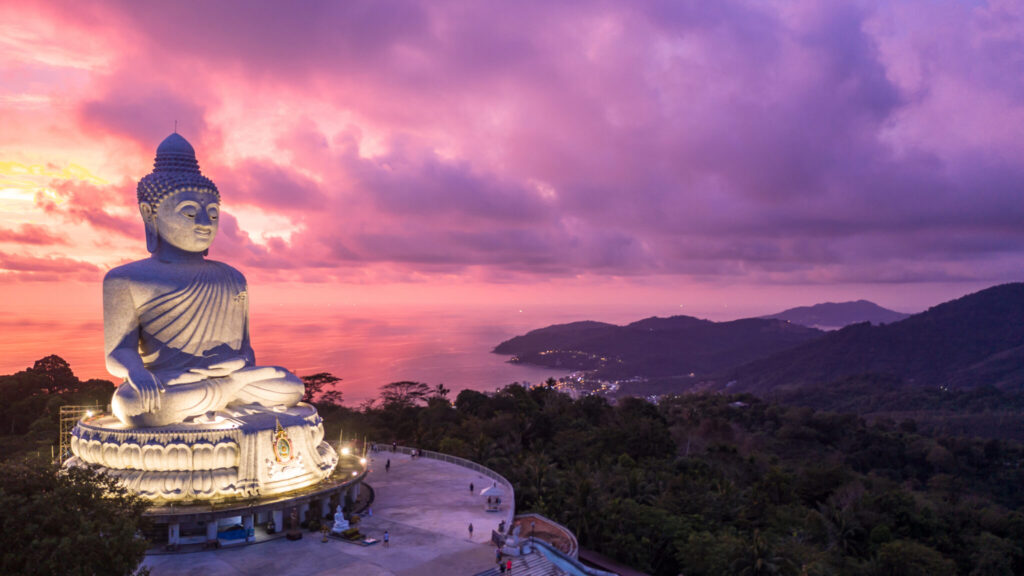
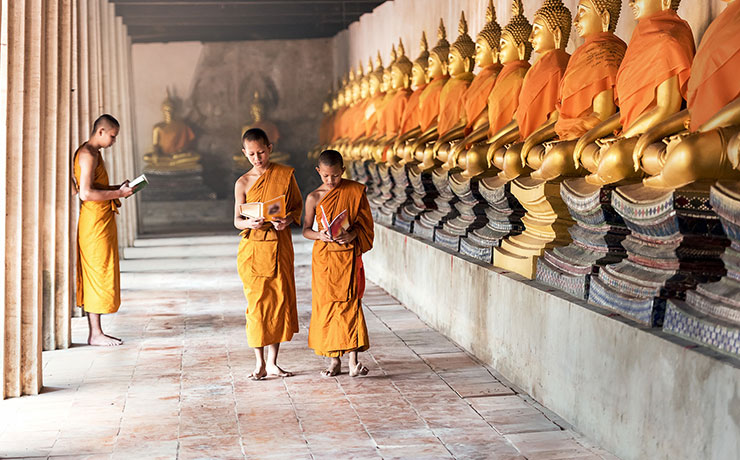
- Religion: Theravada Buddhism is the dominant faith, practiced by about 90% of the population. There are also small Muslim, Christian, and other religious communities.
- Language: The official language is Thai. English is widely spoken in tourist areas.
- Cultural Etiquette: Visitors should dress modestly when visiting temples (covering shoulders and knees), remove shoes before entering homes and sacred spaces, and avoid touching anyone’s head or pointing feet at people or Buddha images.
🌄 Key Attractions
Thailand’s five regions offer a wealth of experiences:
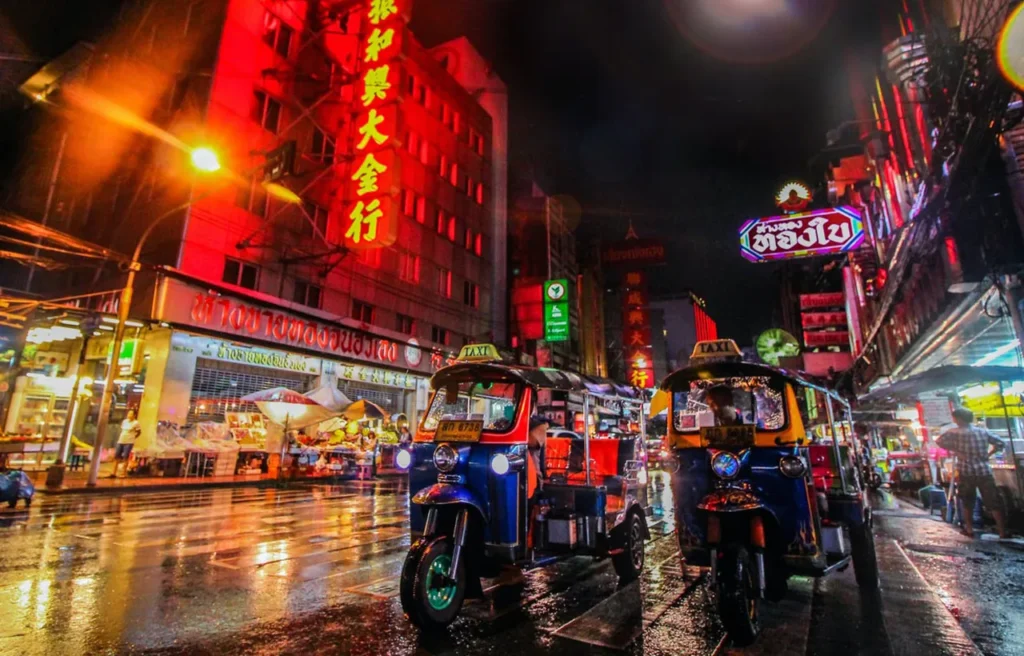
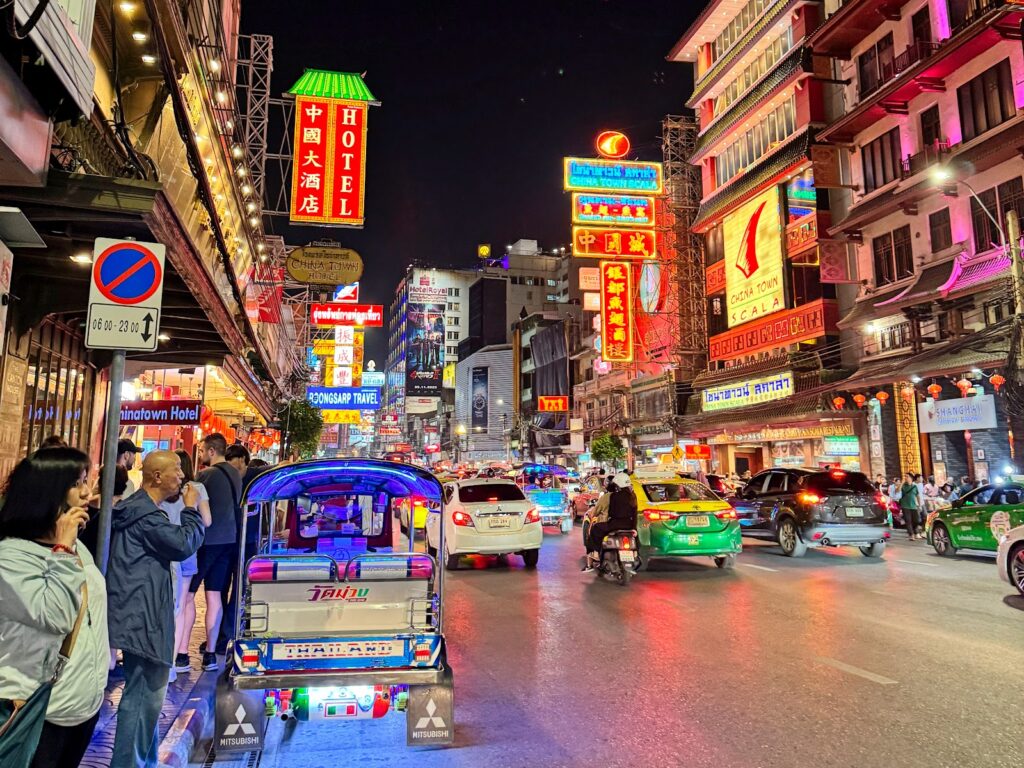
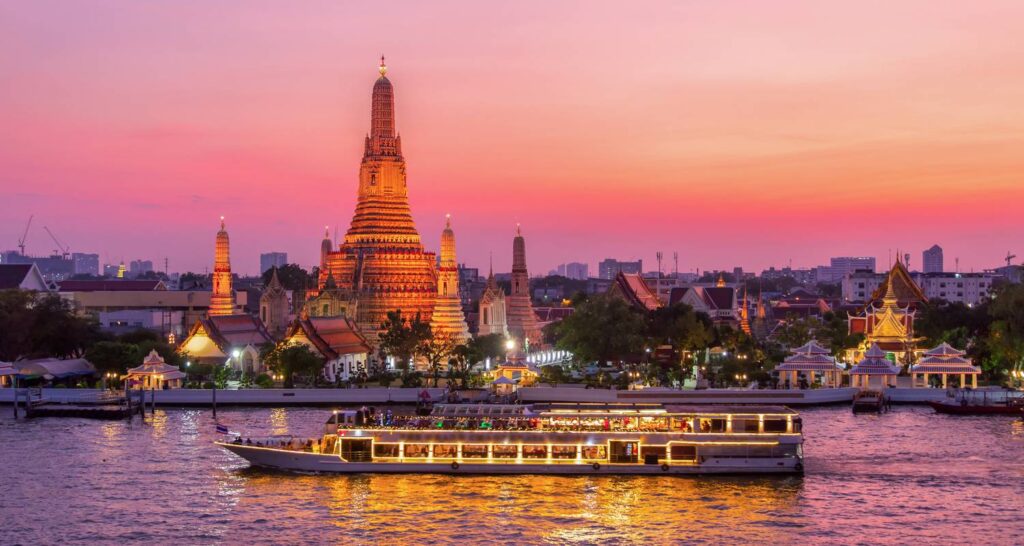
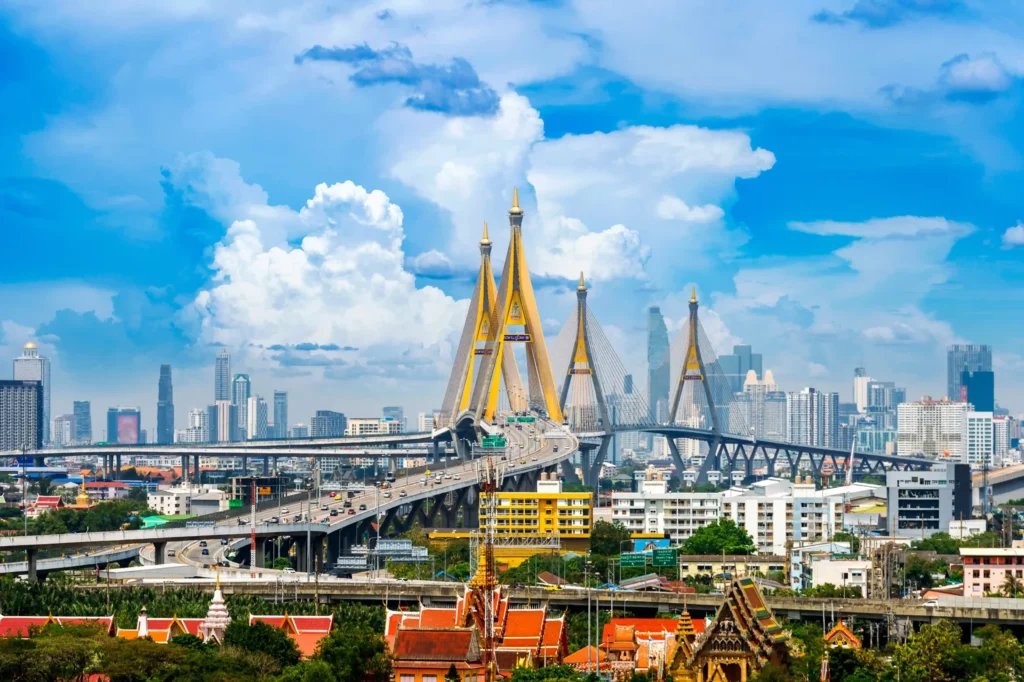
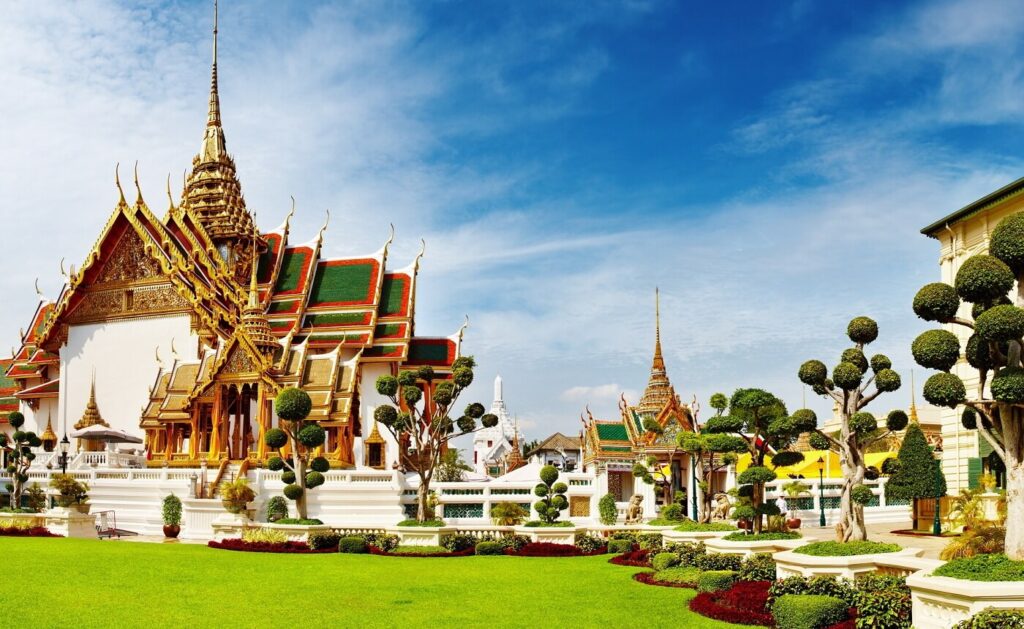
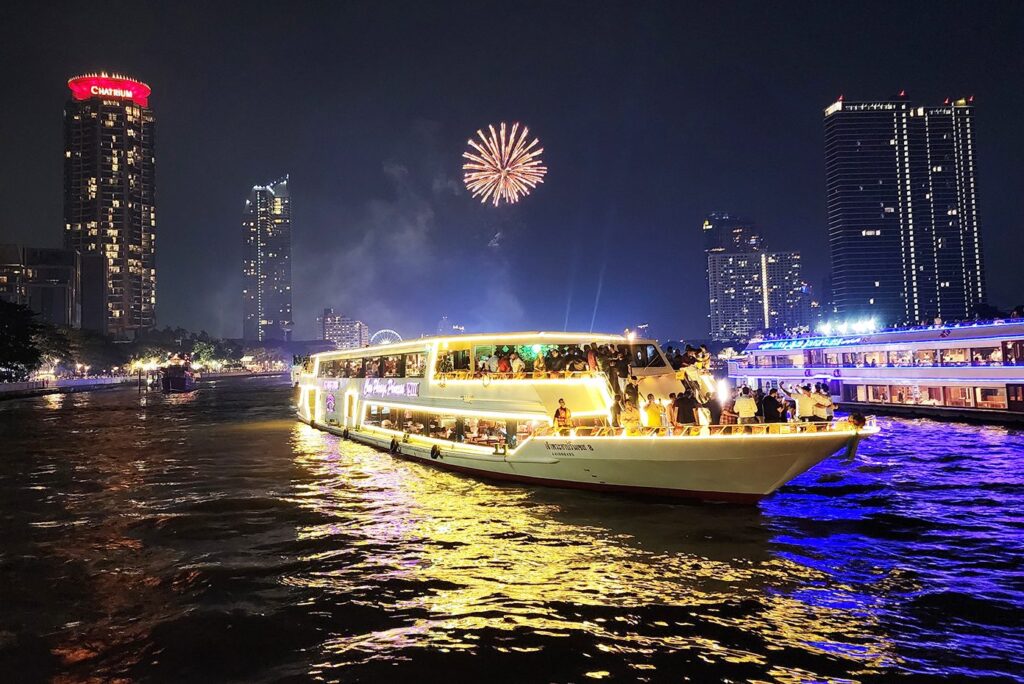
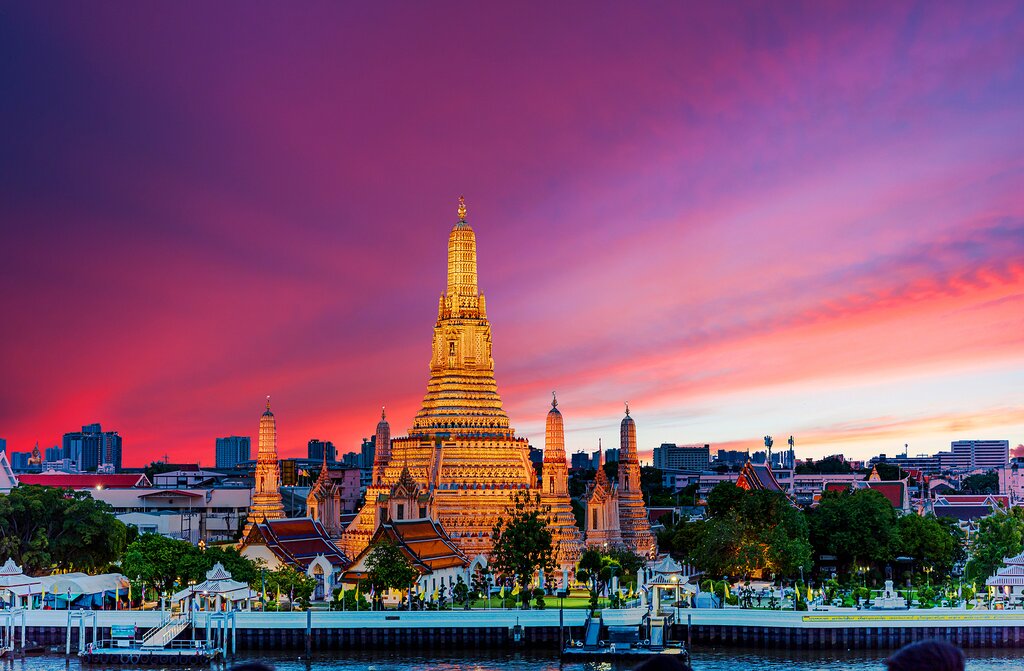
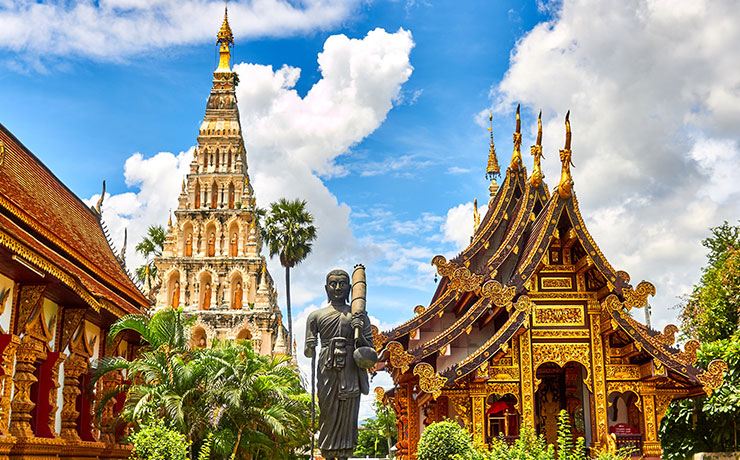
- Bangkok: The capital is a sensory overload of ornate temples (like the Grand Palace and Wat Pho), bustling street food scenes, and modern skyscrapers.
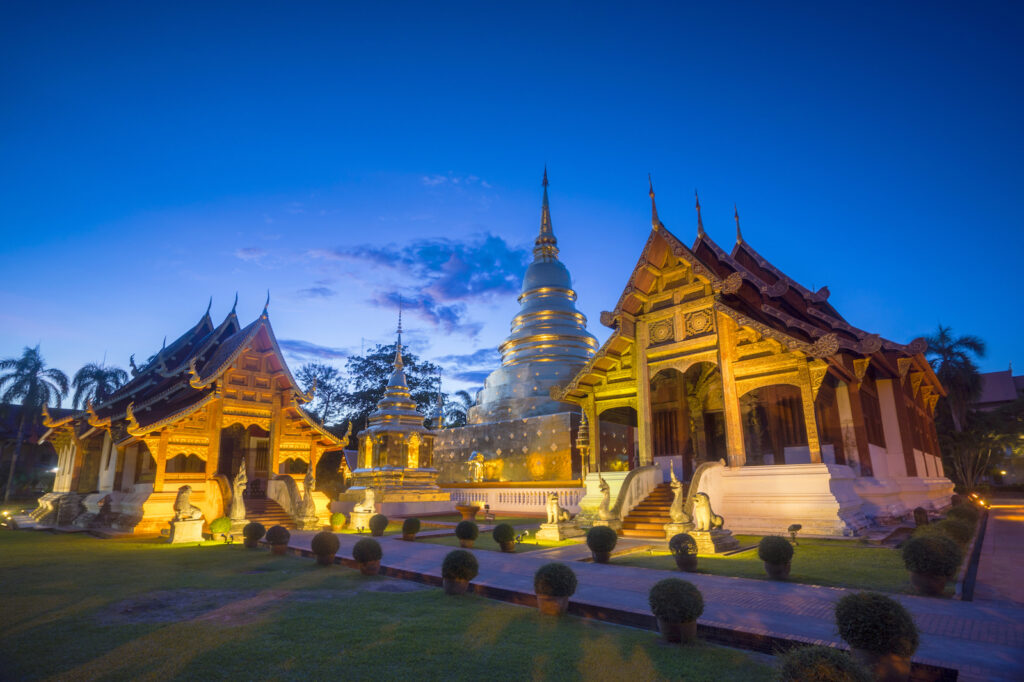
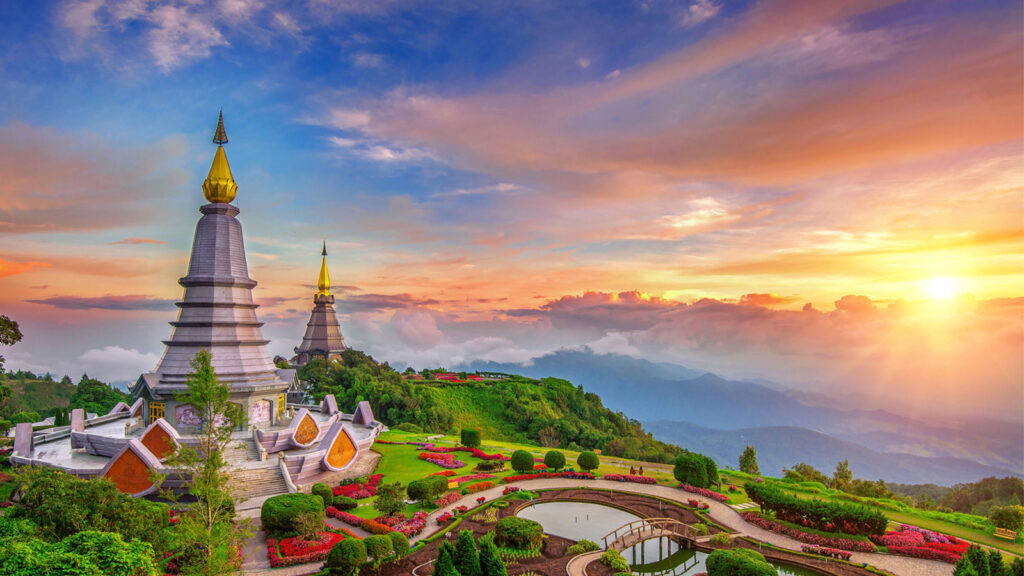
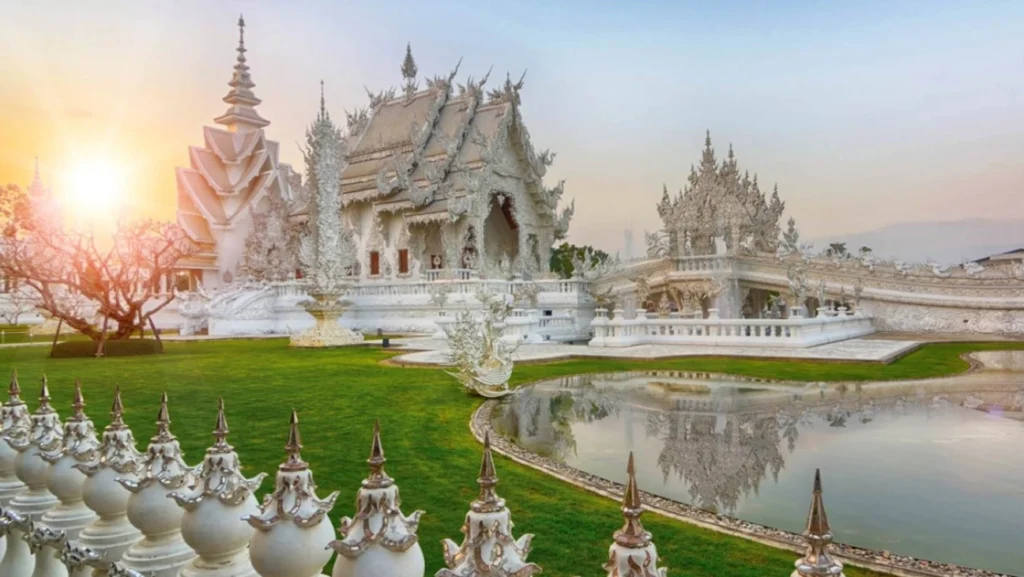
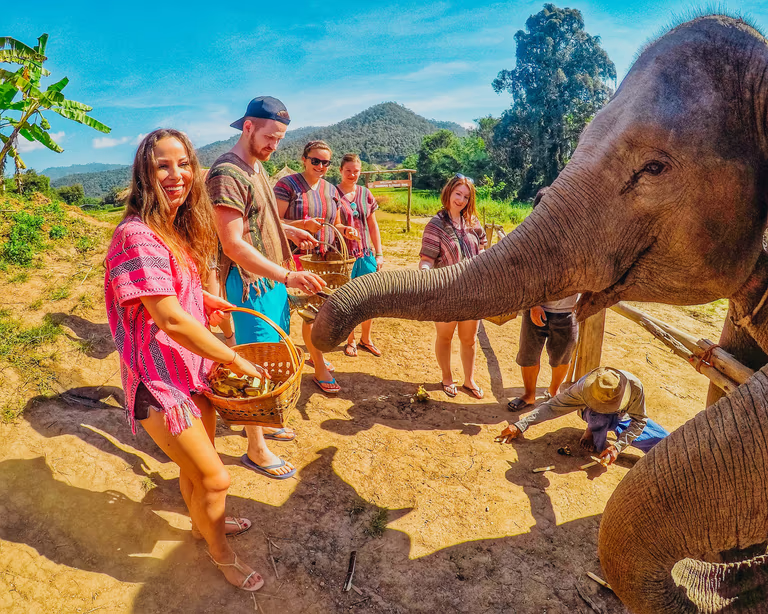
- The North: Home to the cool highlands, ancient cities like Chiang Mai and Chiang Rai, and scenic national parks.
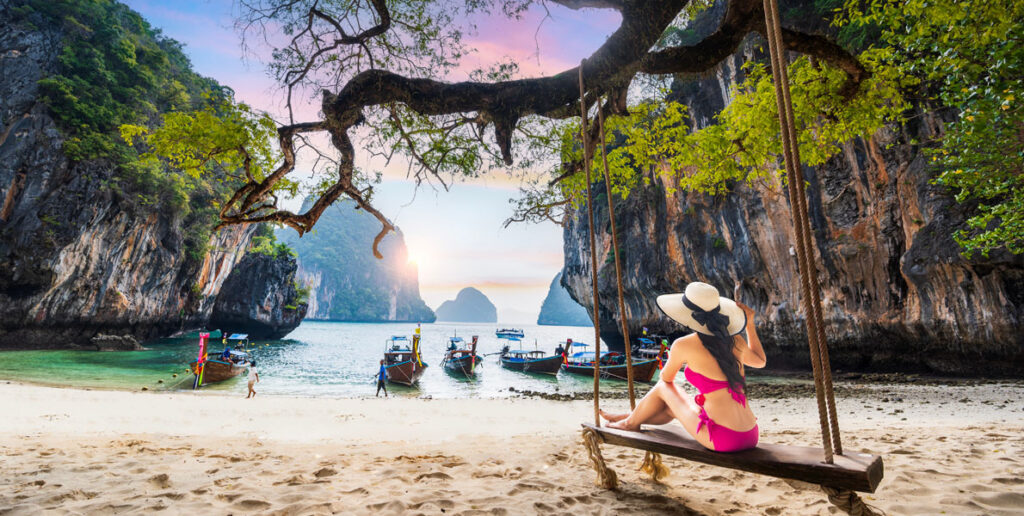
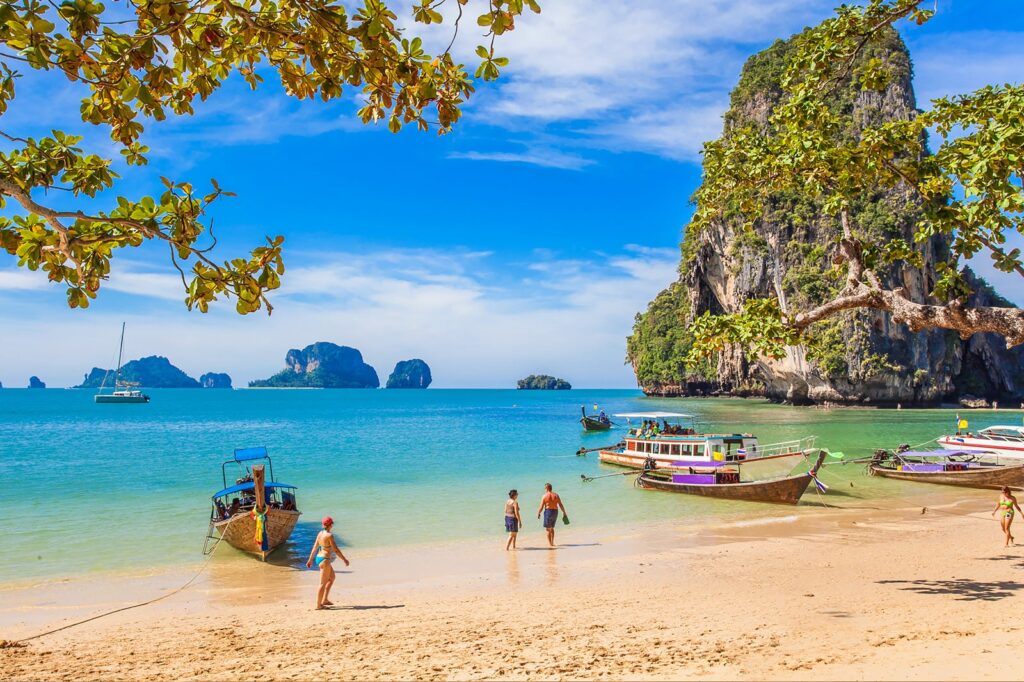
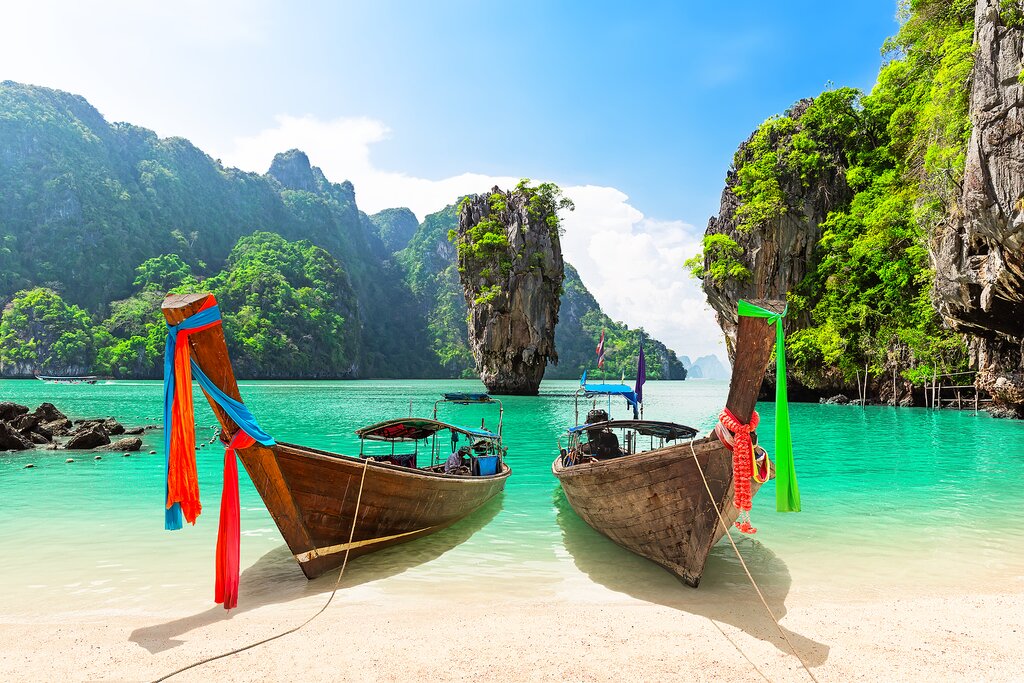
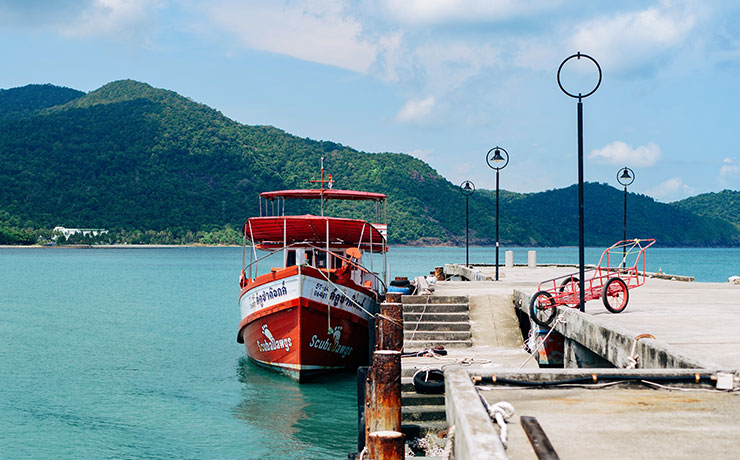
- The South: World-famous for its islands and beaches, including Phuket, Krabi, Koh Samui, and the Phi Phi Islands, offering crystal-clear waters and limestone cliffs.
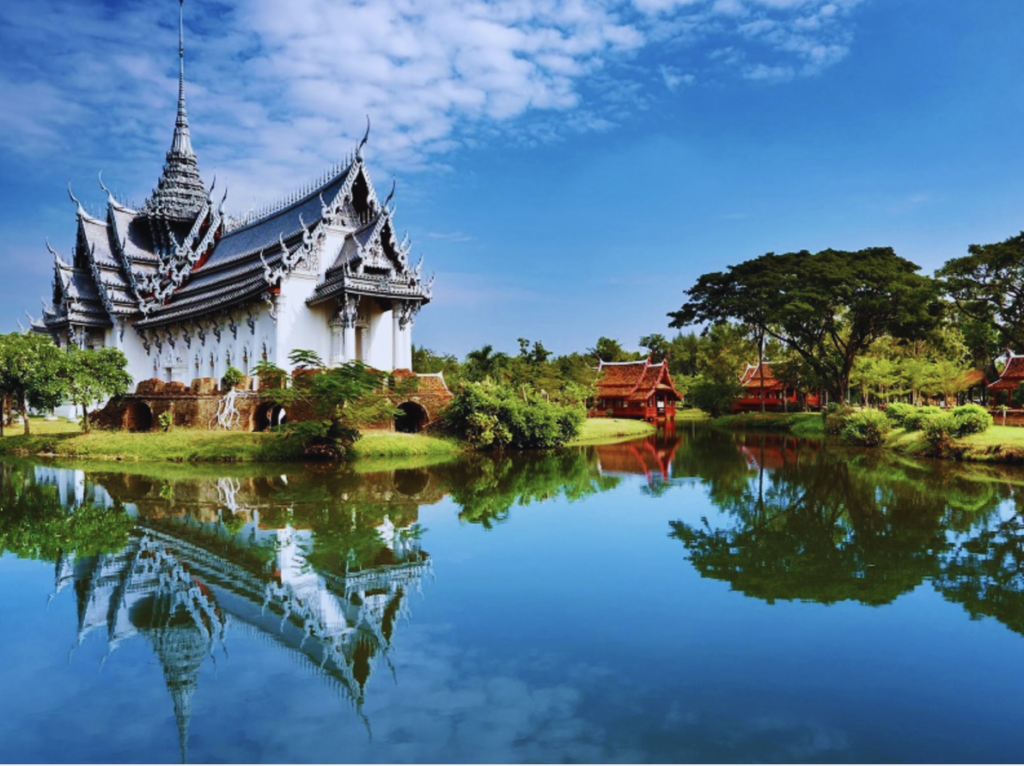
- Ancient Cities: Historical parks like Ayutthaya and Sukhothai are UNESCO World Heritage sites, showcasing the ruins of the former Thai capitals.
- The Northeast (Isan): Known for authentic Thai traditions, historical ruins, and lively festivals.
💰 Travel Essentials
- Visa: Visitors from many Western countries can enter Thailand visa-free for tourism for up to 60 days. Always check the latest requirements for your nationality. You must complete a Thailand Digital Arrival Card (TDAC) within 3 days before arrival.
- Passport: Your passport must be valid for more than 6 months from your entry date.
- Currency: The local currency is the Thai Baht (THB). While cards are accepted in larger establishments, cash is still essential for street food, markets, and small businesses.
- Safety: Thailand is generally very safe and welcoming for tourists. However, it’s important to note current travel advisories that recommend avoiding areas within 10 kilometers of the Thailand-Cambodia border due to armed clashes and landmines. There is also an ongoing risk of terrorism in popular tourist areas and a continued need to reconsider travel to the southernmost provinces (Yala, Pattani, Narathiwat) due to insurgent activity.
🏭 Economy and the Modern “Green” Pivot
Thailand possesses the second-largest economy in Southeast Asia (after Indonesia) and has transformed over the last few decades from a mostly agricultural society into an upper-middle-income industrial powerhouse.
RianThai
- Manufacturing Base:Thailand is a massive global hub for automotive manufacturing and electronics assembly.
Geo Factbook
- The EV and Green Shift:In recent years, Thailand has successfully positioned itself as the leading electric vehicle (EV) manufacturing hub in Southeast Asia, rapidly adapting its massive auto-parts supply chain to build batteries and advanced green technologies.
World Bank
- Tourism Heavyweight:Welcoming tens of millions of international tourists annually, the sector is a massive pillar of the economy, focusing intensely on high-value medical, health, and sustainable tourism.
🪷 Culture and Modern Society
Thai culture is anchored by three traditional pillars: Nation, Religion (Buddhism), and the King. It is a deeply polite, hierarchical society where concepts of respect, avoiding public confrontation (“saving face”), and keeping a relaxed, positive outlook (Sanuk) dictate daily interactions.
At the same time, Thailand is highly socially progressive relative to the region. Notably, it became the first country in Southeast Asia to legally recognize same-sex marriage, cementing its status as one of the most inclusive and welcoming societies in Asia.