“The Golden Land”
Myanmar is a country of profound cultural heritage and natural beauty, but it is currently in a state of significant political and humanitarian crisis. This overview combines essential travel and safety information with the nation’s rich historical and cultural context.
Here is a comprehensive snapshot of Myanmar:
| Aspect | Detail |
| Official Name | Republic of the Union of Myanmar |
| Capital | Nay Pyi Taw (Naypyidaw) |
| Population (2024 est.) | ~54.5 – 57.5 million |
| Area | 676,578 km² |
| Government | Military junta (Tatmadaw) in power since February 2021 coup |
| Official Language | Burmese |
| Currency | Burmese Kyat (MMK) |
| Major Religions | Buddhism (~85-88%), Islam (~8%), Christianity |
| Ethnic Groups | Over 135 recognized groups; Bamar (~65-68%), Shan (~9%), Karen (~7%), Rakhine (~4%), Chinese (~3%), Indian (~2%), Mon (~2%) |
📜 History at a Glance
Myanmar’s history is a tapestry of powerful kingdoms, colonial rule, and ongoing political turmoil.
- Ancient Kingdoms: The region was home to early city-states like the Pyu (from 200 BC to 900 AD) and the Mon kingdoms, who were among the first to adopt Theravada Buddhism and Indian cultural traditions.
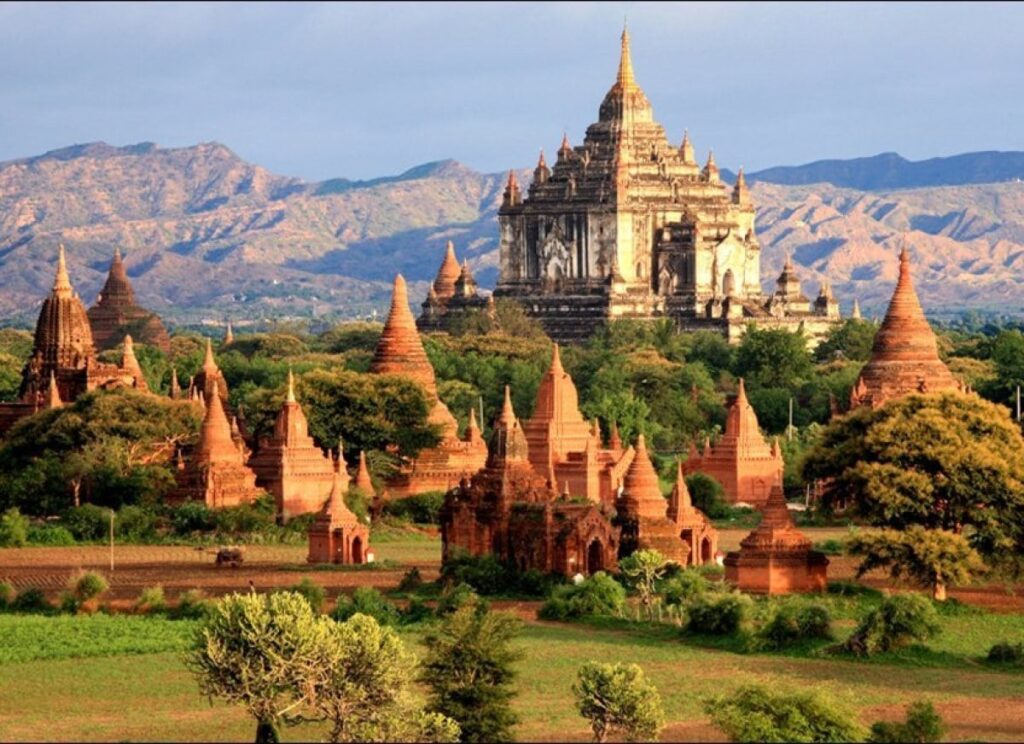
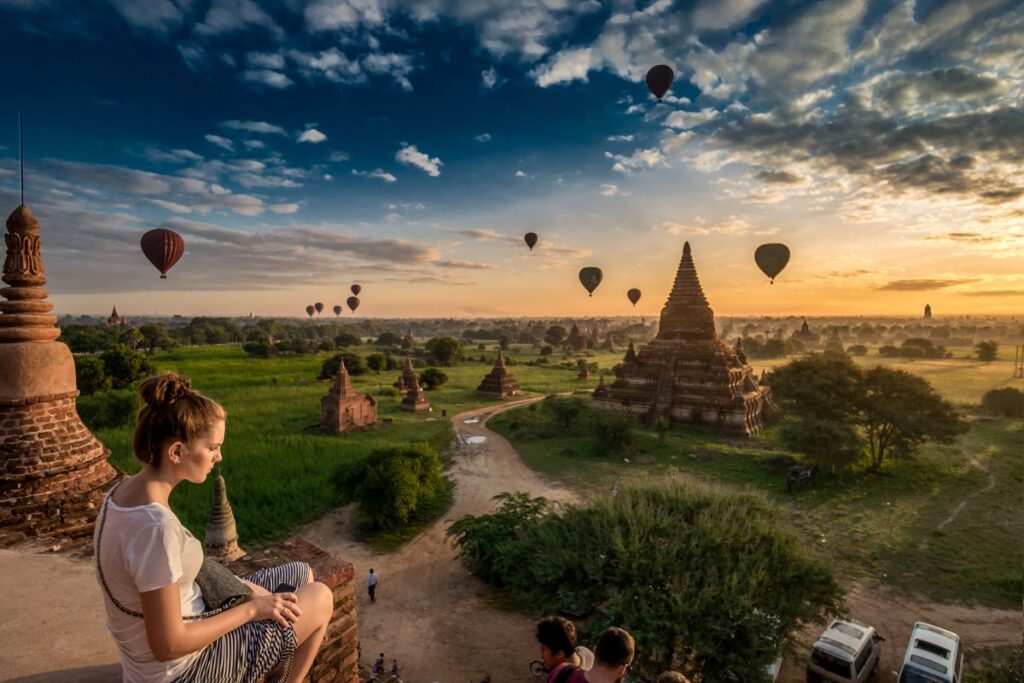
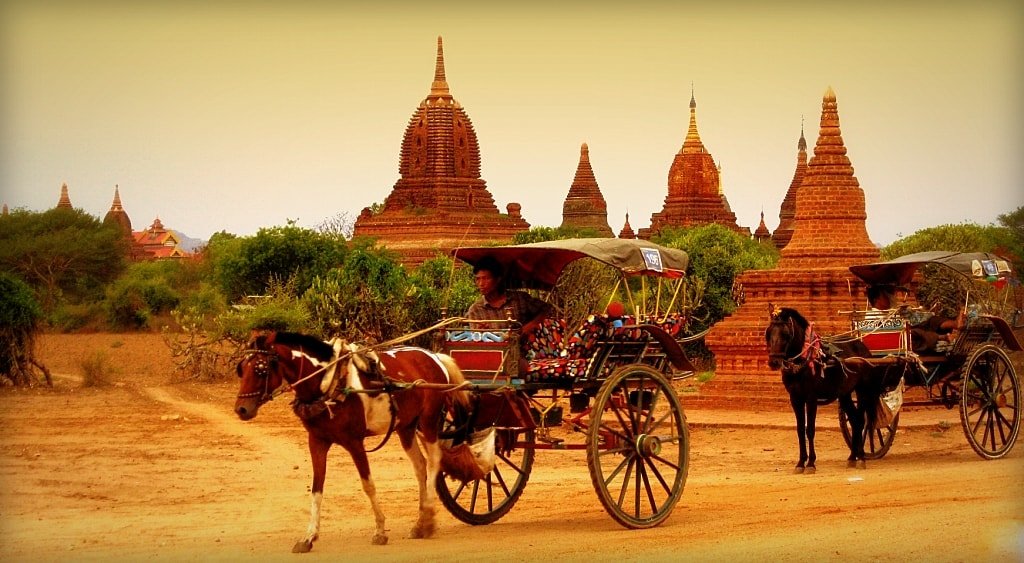
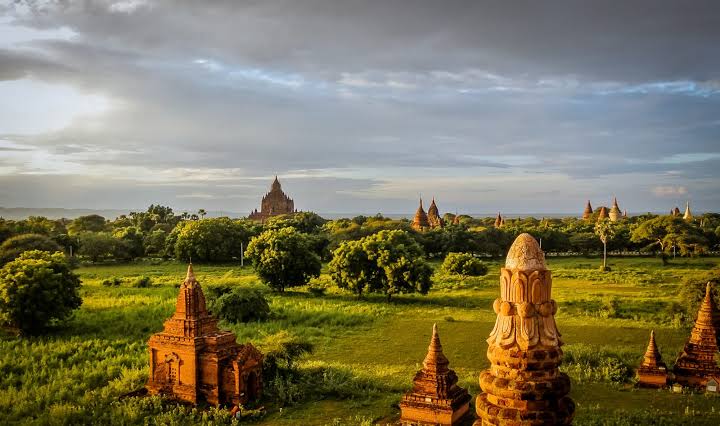
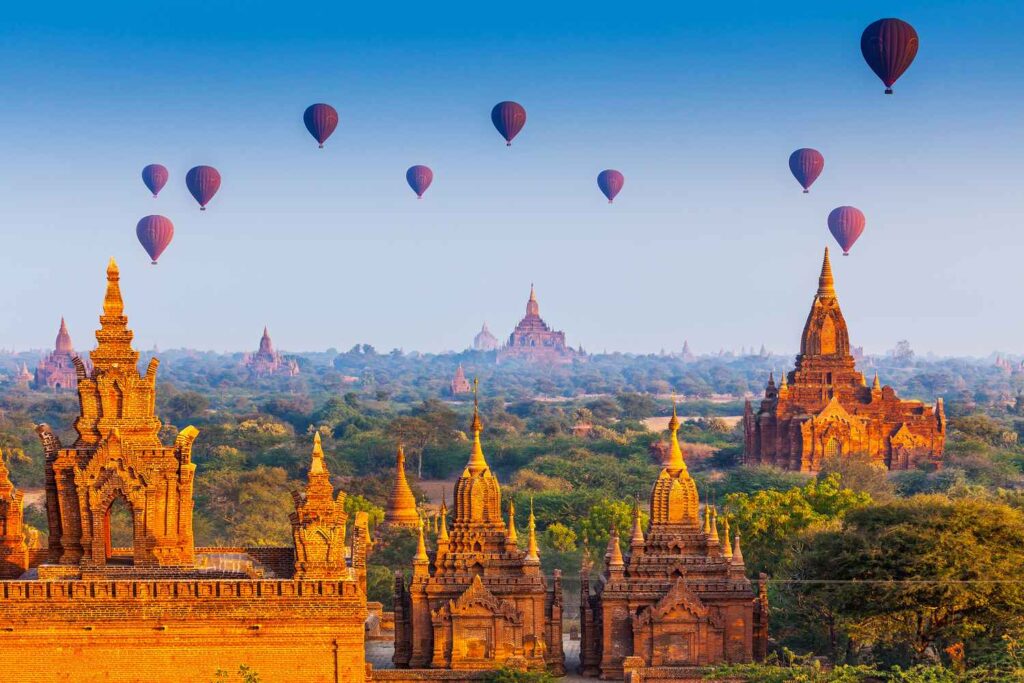
- Bagan Empire: In the 11th century, King Anawrahta unified the area and established the Bagan Empire, the first Burmese kingdom, which became a center of Theravada Buddhism and left behind the thousands of temples seen today.
- Colonial Era: After three wars in the 19th century, Myanmar was fully colonized by the British in 1885 and became a province of India. The British significantly expanded resource extraction, making Burma the world’s largest exporter of rice at one point.
- Independence & Civil War: Myanmar gained independence in 1948. However, the country was soon embroiled in a long-running civil war between the central government and various ethnic armed groups.
- Military Rule: In 1962, General Ne Win led a military coup, beginning decades of isolation and military rule. The military changed the country’s name from Burma to Myanmar in 1989.
- 2021 Coup: On February 1, 2021, the military once again seized power, overthrowing the democratically elected government and arresting civilian leaders, including Aung San Suu Kyi. This led to widespread protests and a violent crackdown, plunging the country into a severe “polycrisis”.
🌍 Geography & People
Myanmar is the second-largest country in Southeast Asia, shaped like a kite and bordered by China, India, Bangladesh, Laos, and Thailand. Its geography is incredibly diverse, ranging from snow-capped Himalayan peaks in the north to tropical rainforests and a semi-arid central zone.
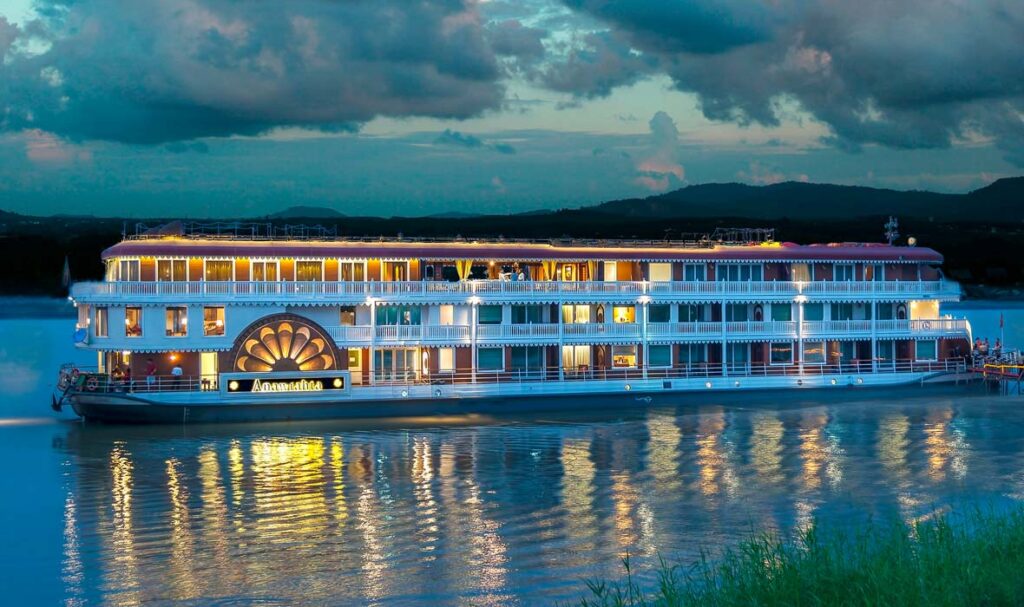
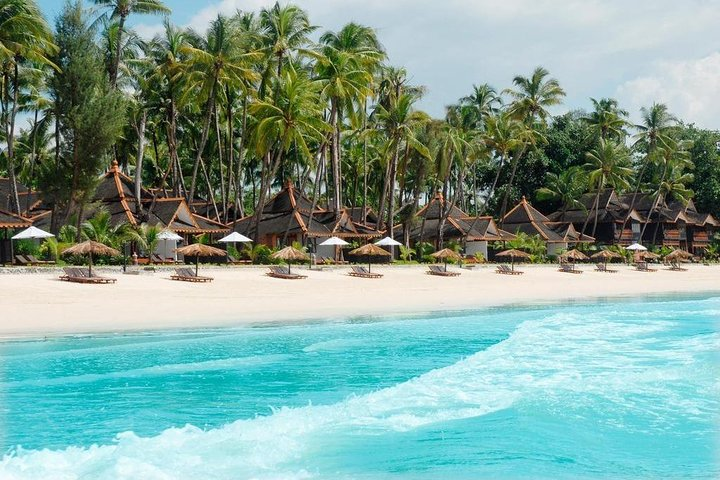
- Diverse Landscapes: The country is home to the fertile plains of the Irrawaddy (Ayeyarwady) River, the mountainous Shan Plateau, and a 2,800-kilometer coastline with pristine beaches.
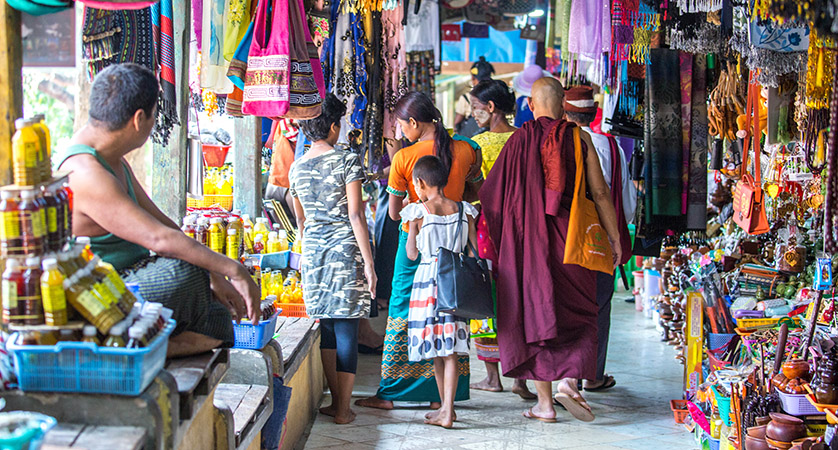
- A Multi-Ethnic Nation: Myanmar is one of the most ethnically diverse countries in the world, with the government recognizing 135 distinct ethnic groups. The Bamar are the majority, but the nation is a complex mosaic of Shan, Karen, Rakhine, Kachin, Chin, and many other communities, each with their own languages and cultural traditions. This diversity has also been a source of long-standing internal conflict.
🏛️ Culture & Attractions
Despite its current struggles, Myanmar possesses a rich cultural heritage that is a draw for visitors.
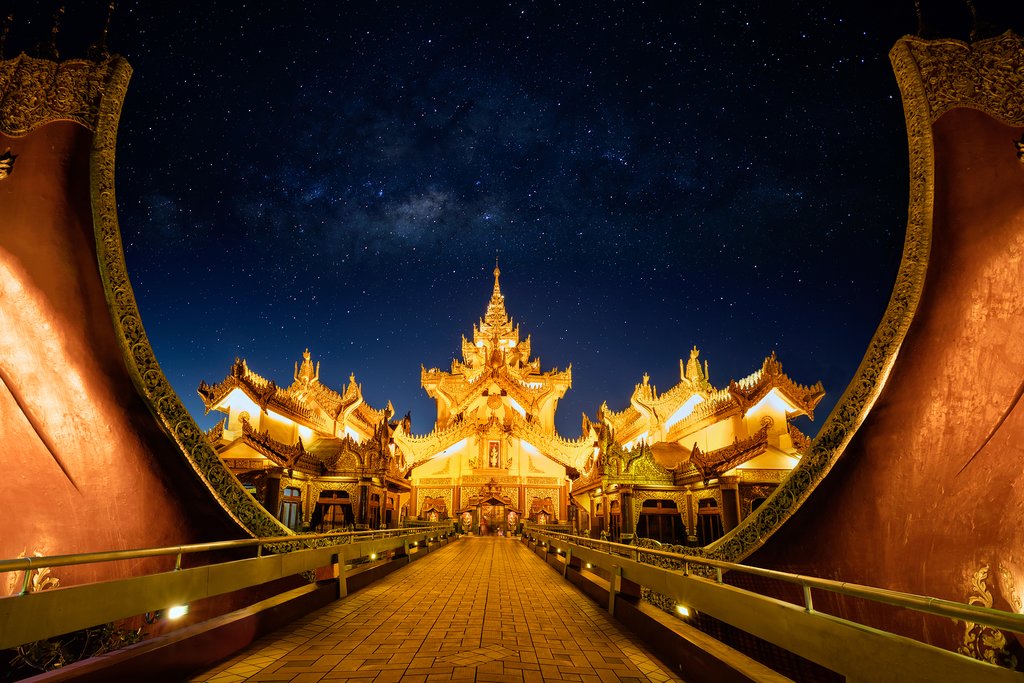
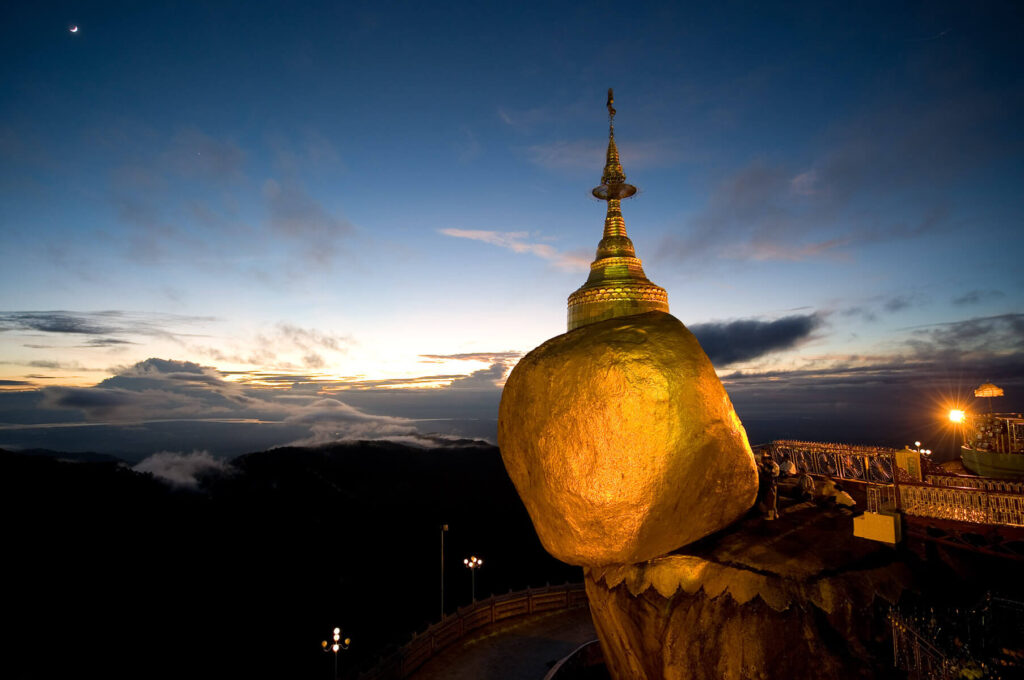
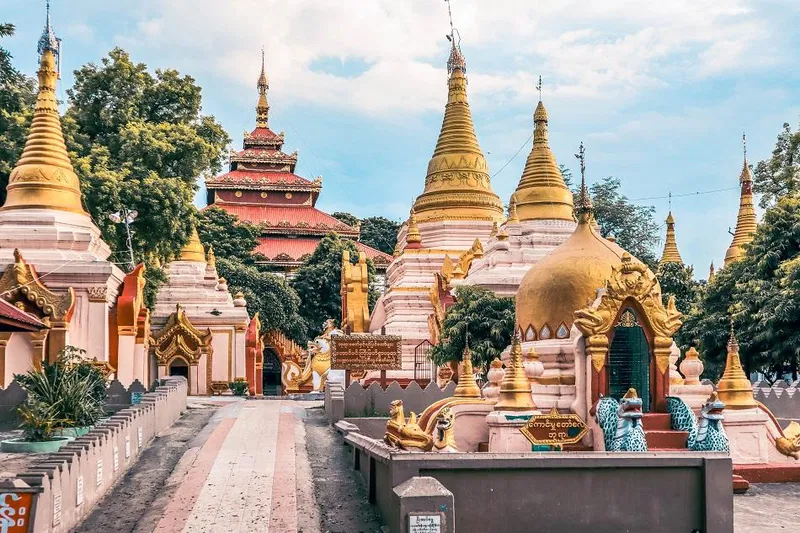
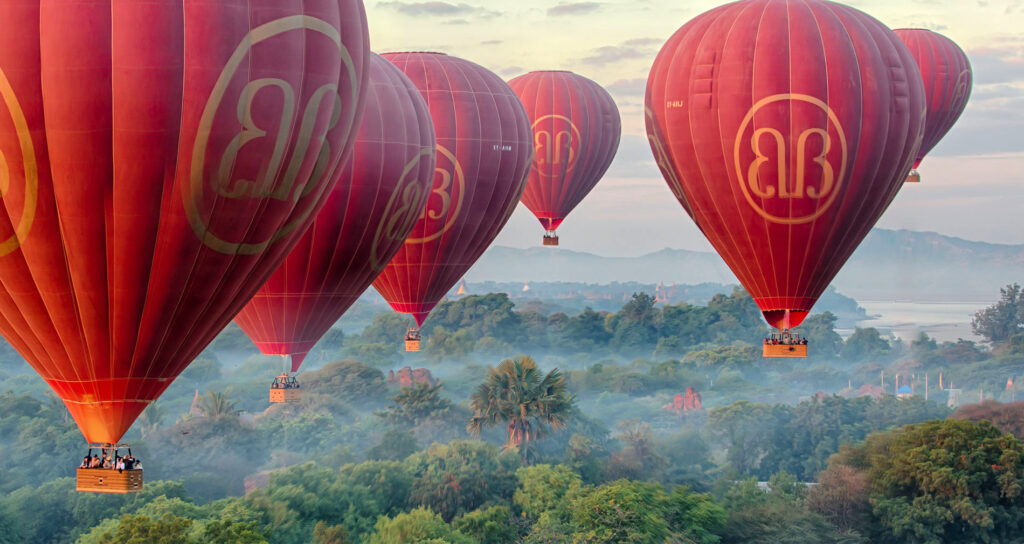
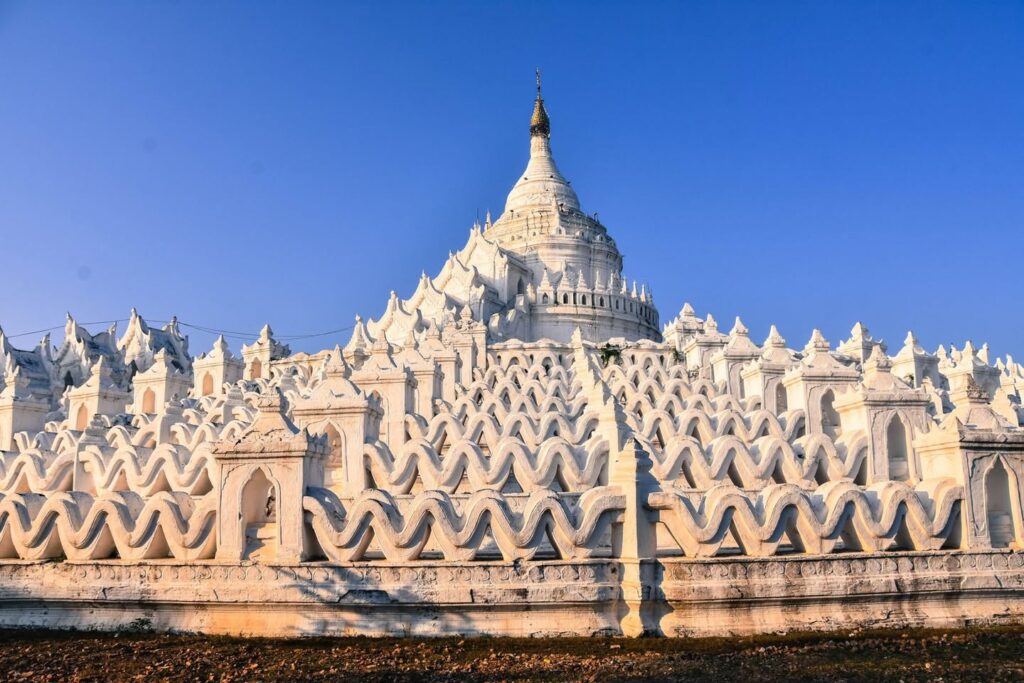
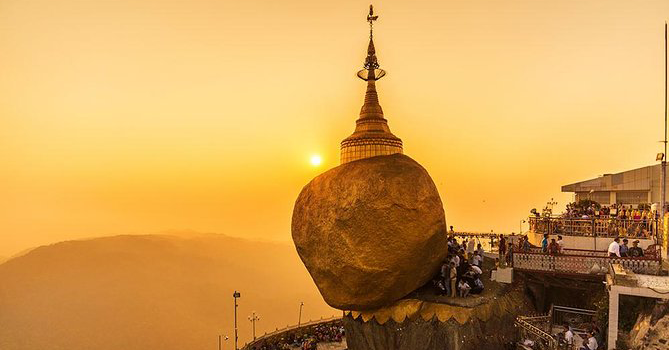
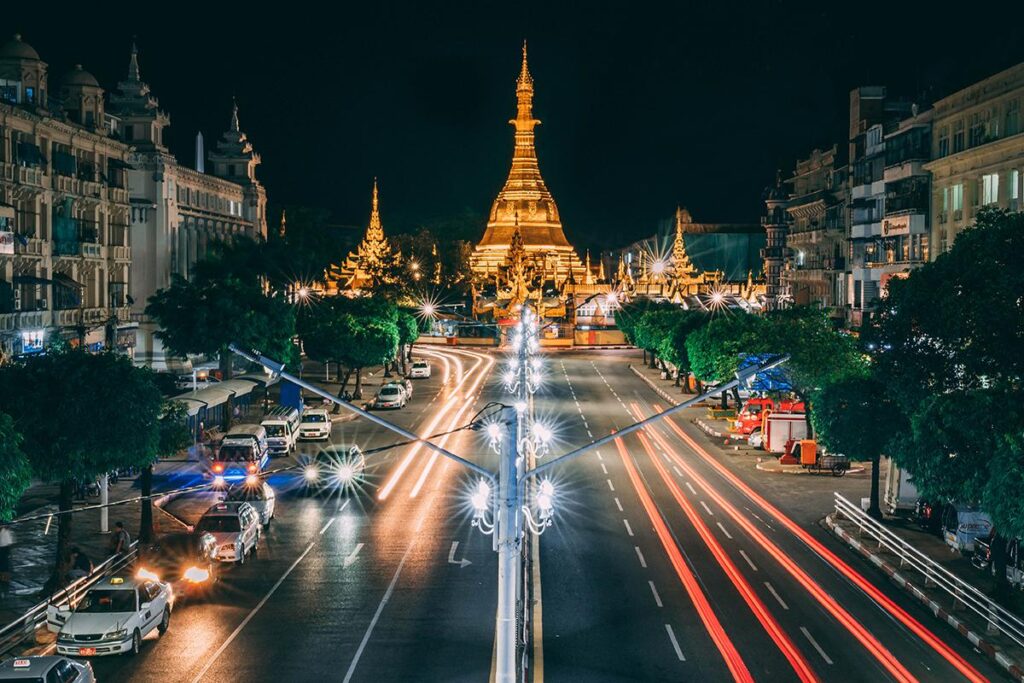
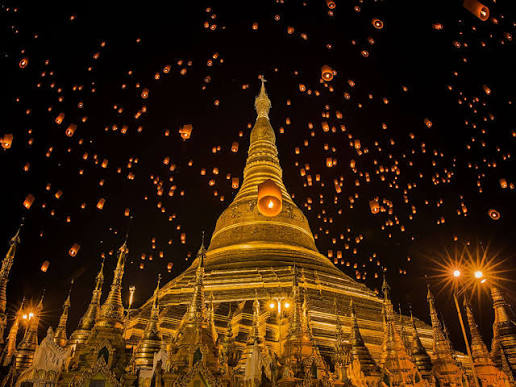
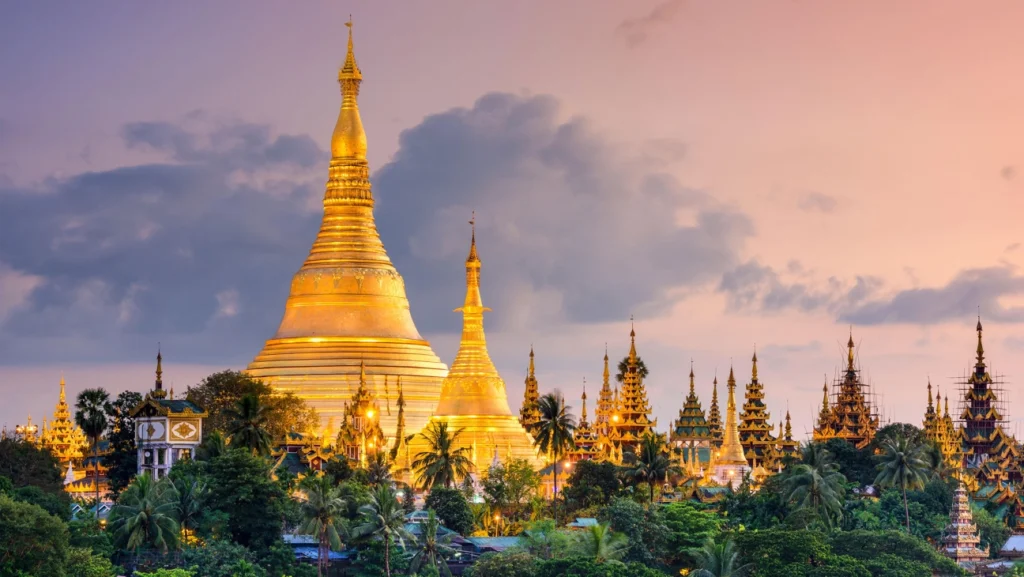
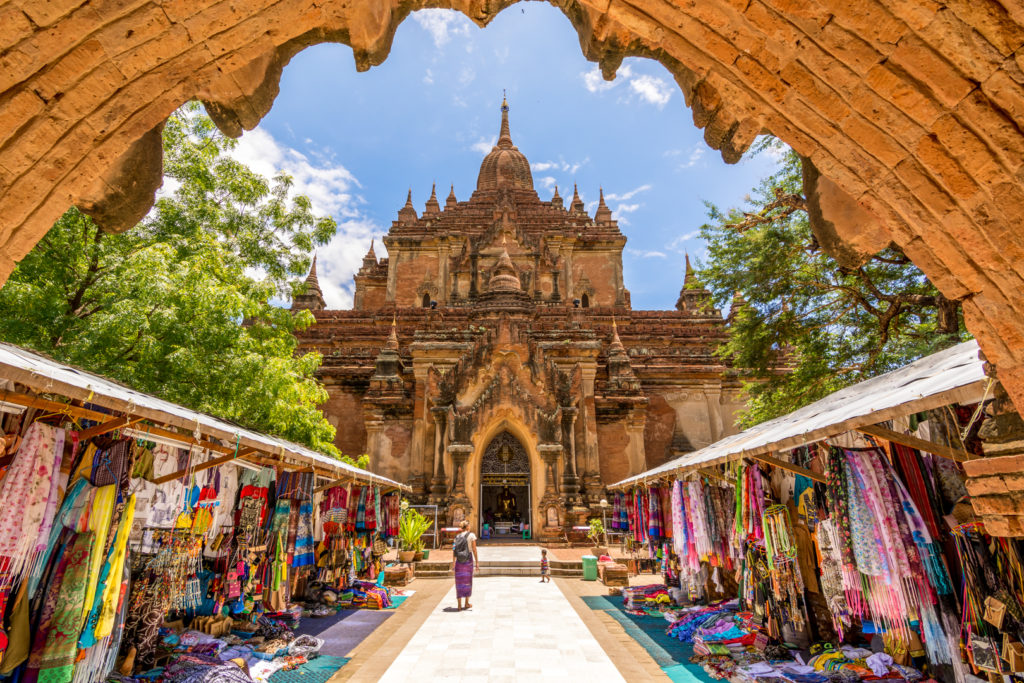
- Buddhist Heritage: The country’s culture is deeply intertwined with Theravada Buddhism. This is most visibly expressed in its countless golden pagodas. The Shwedagon Pagoda in Yangon is a world-famous, gilded stupa, and the ancient city of Bagan, with over 2,000 temples, is one of Asia’s most spectacular archaeological sites.
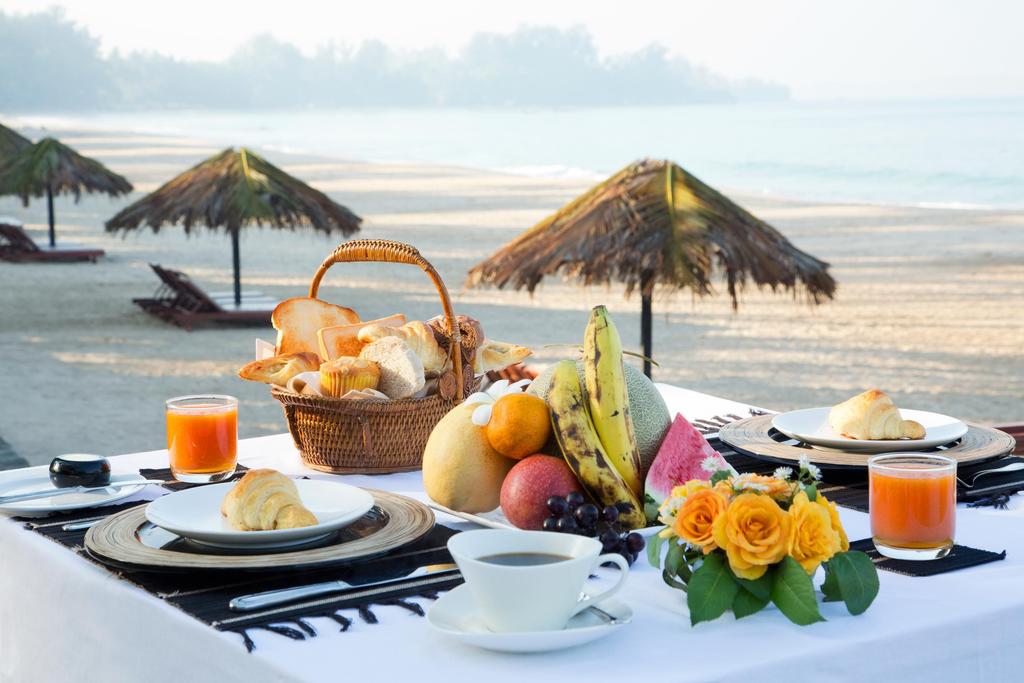
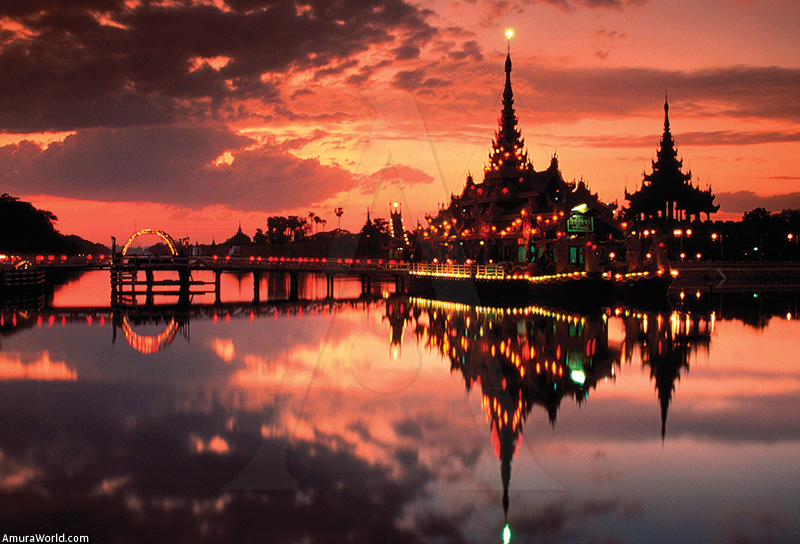
- Other Attractions: Key destinations include the cultural hub of Mandalay, the serene Inle Lake with its floating villages and leg-rowing fishermen, and the beautiful Ngwe Saung and Ngapali
🏛️ Current Situation & Safety
This is the most critical information for travelers.
- Political Crisis: Since the 2021 military coup, Myanmar has been in a state of intense political and civil unrest. The country is effectively in a civil war, with widespread armed conflict between the military and various resistance groups.
- Humanitarian Catastrophe: The crisis has created a massive humanitarian disaster. An estimated 9 million people require humanitarian assistance, and over 3.2 million people have been displaced from their homes. Armed conflict is prevalent in many regions, making travel extremely dangerous.
- High Travel Risk: Most governments advise against all non-essential travel to Myanmar. You could be at risk from armed clashes, landmines, and unexploded ordnance (UXO) in many parts of the country. The U.S. Embassy has reported that IEDs are used in conflicts, including in Yangon.
- Strict Laws & Surveillance: The military regime enforces strict laws. Criticizing the government or military on social media or in private messages can lead to detention or deportation. Avoid taking photos of military or government sites.
- Health Risks: Health infrastructure is severely strained. There are ongoing risks from diseases like malaria, dengue fever, Japanese encephalitis, and typhoid. A cholera outbreak was also reported. Ensure you have comprehensive medical insurance and check vaccination requirements well before traveling.
💡 Essential Travel Tips (If Travel is Unavoidable)
Due to the extreme risks, travel is strongly discouraged. If you must go, you must take these precautions:
- Check Travel Advisories: Before and during your trip, constantly monitor the latest travel advisories from your government and the Chinese Embassy in Myanmar.
- Avoid Conflict Zones: Stay away from all areas of armed conflict, particularly in border regions and the northern states. Do not enter areas restricted to foreigners.
- Be Discreet: Do not discuss politics. Do not photograph military, government, or police installations, or any demonstrations.
- Stay Connected: Ensure your phone has credit and your family knows your itinerary. Save the local emergency numbers.
- Emergency Numbers:
- Police: 199
- Fire: 191
- Ambulance: 192
- Chinese Embassy Contact:
- Embassy: 0095-943209657
- Mandalay Consulate: 0095-9259172726
In short, while Myanmar holds immense historical and cultural treasures, the current environment of conflict and political instability poses very serious risks to any traveler.